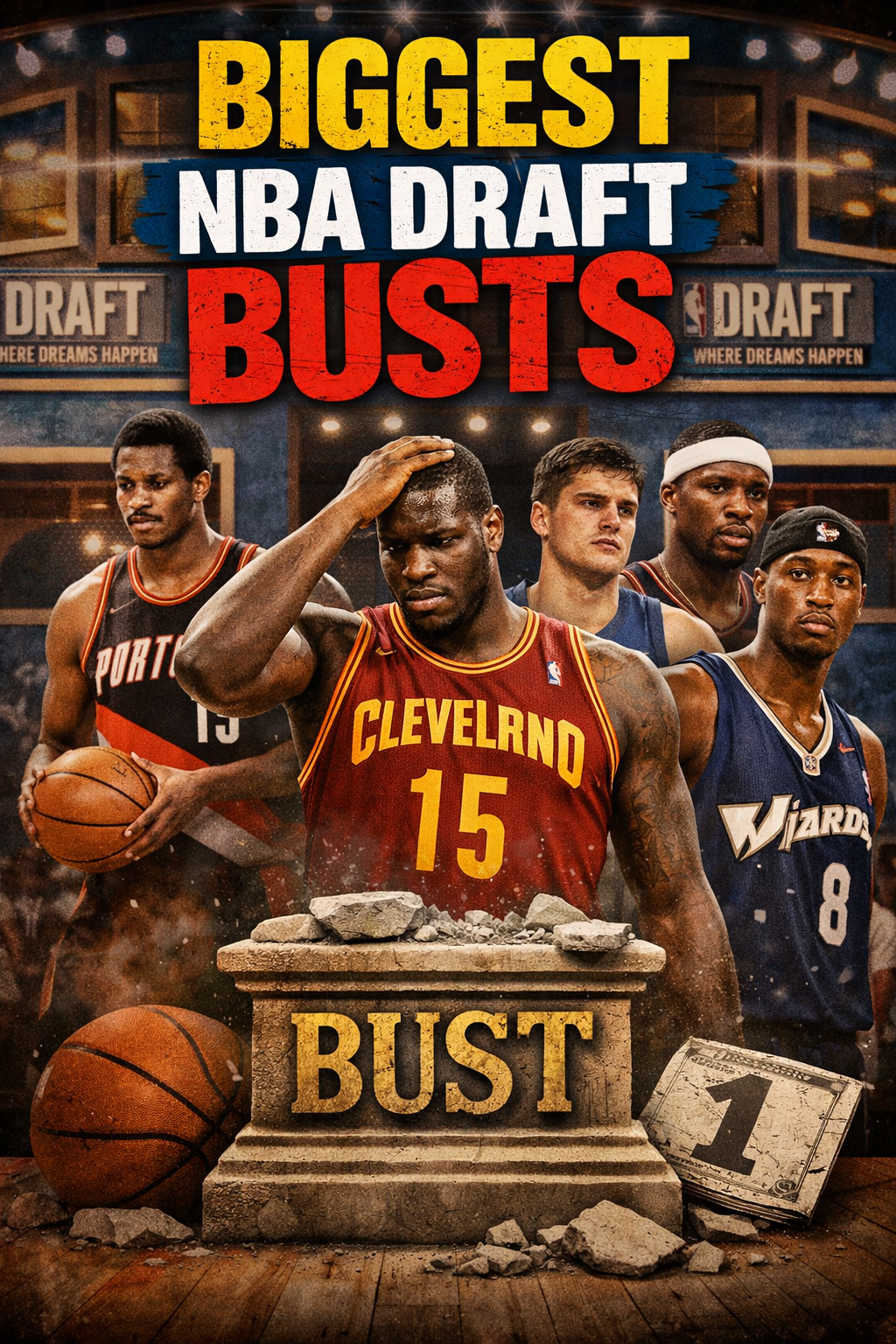
 Every June, NBA franchises place enormous hope in the NBA Draft. A top-three pick is supposed to be the moment a struggling team finds its future superstar—the player who will lead the franchise into a new era of success. Sometimes that happens. Players like LeBron James, Shaquille O’Neal, and Tim Duncan immediately justified their draft positions and became generational talents.
But drafting near the top is never a guarantee. Scouting projections can be wrong. Injuries can derail promising careers. Some players simply fail to adapt to the speed, skill, and pressure of the NBA.
When a team misses on a top-three pick, the consequences can linger for years. A franchise may lose the chance to build around a superstar while watching other teams benefit from players selected later in the same draft.
Over the decades, the NBA has seen its share of highly drafted players who never lived up to the enormous expectations placed on them. Here are ten of the biggest top-three pick busts in NBA draft history.
10. Derrick Williams (2nd Pick, 2011)
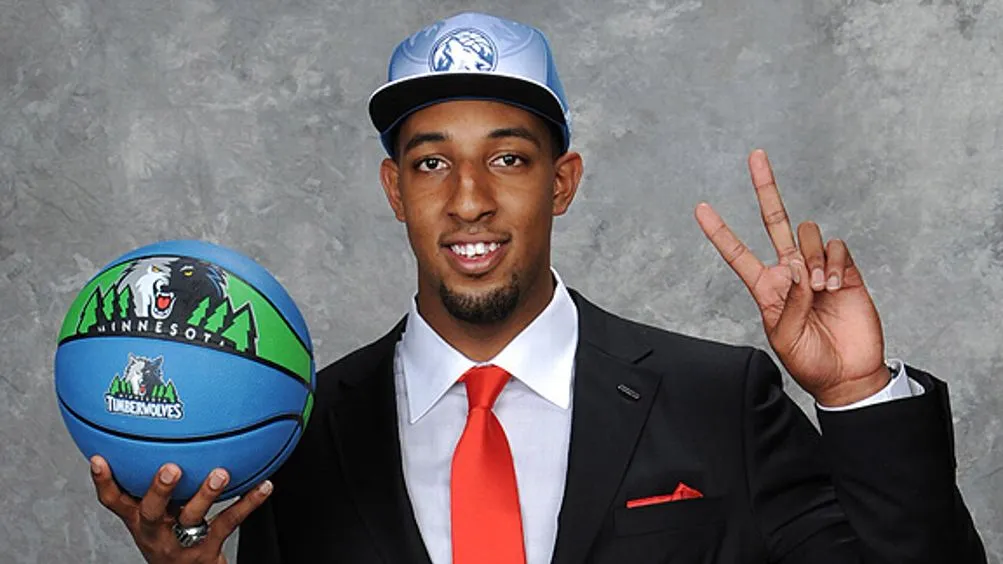 Coming out of the University of Arizona, Derrick Williams looked like a sure thing. He had dominated college basketball with his athleticism, scoring ability, and highlight-reel dunks. Many scouts believed he had the versatility to become a modern NBA forward capable of playing multiple positions.
The Minnesota Timberwolves selected Williams with the second overall pick in the 2011 draft, expecting him to become a cornerstone player.
Instead, Williams struggled to carve out a consistent role. He was caught in an awkward positional situation—too small to be a traditional power forward and not skilled enough on the perimeter to become a true small forward.
After several inconsistent seasons, Williams bounced around the league playing for multiple teams including Sacramento, New York, Cleveland, and Miami. While he occasionally flashed the athleticism that made him such an intriguing prospect, he never developed into the star Minnesota hoped for when they drafted him.
9. Jahlil Okafor (3rd Pick, 2015)
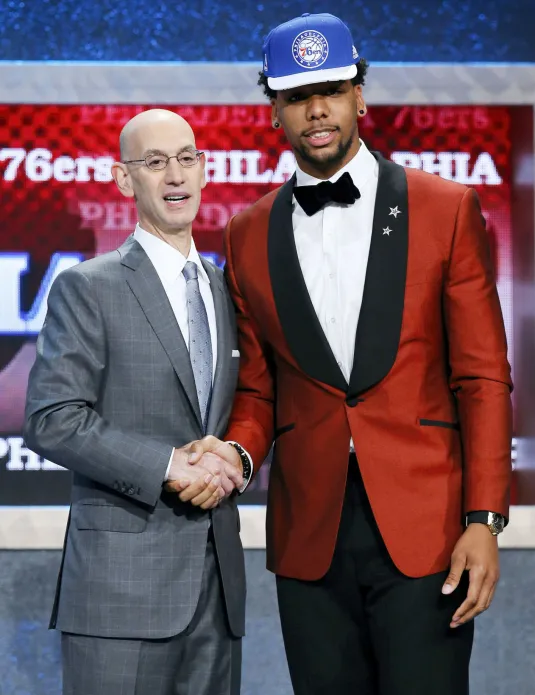 Few college big men in recent memory entered the NBA with as much hype as Jahlil Okafor.
After leading Duke to a national championship, Okafor was widely praised for his polished post moves and soft touch around the basket. The Philadelphia 76ers selected him with the third overall pick during the early years of their rebuilding process.
Initially, Okafor showed flashes of his offensive potential. However, the NBA was rapidly evolving toward a faster, perimeter-oriented style of play. Traditional post-up centers were becoming less valuable.
Okafor struggled defensively and had difficulty adapting to the modern game. Meanwhile, Philadelphia eventually built its future around players like Joel Embiid.
Within a few years, Okafor had fallen out of the team’s long-term plans and began bouncing between multiple franchises. Despite his scoring ability in the post, he never became the dominant center scouts once predicted.
8. Adam Morrison (3rd Pick, 2006)
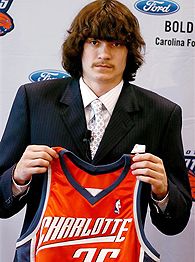 Adam Morrison was one of the most recognizable college basketball stars of the 2000s.
At Gonzaga, Morrison was a scoring machine, known for his fearless shooting and emotional intensity. His incredible junior season made him a national sensation and earned him the Naismith College Player of the Year award.
The Charlotte Bobcats selected Morrison third overall in the 2006 draft, hoping he would become the centerpiece of their offense.
Unfortunately, Morrison struggled almost immediately in the NBA. His shooting percentages dropped significantly, and he had trouble defending quicker and more athletic players.
A devastating knee injury during his second season further derailed his development. Morrison later spent time with the Lakers and technically won two championships, but he rarely saw the court.
He never came close to replicating the dominance he displayed in college.
7. Hasheem Thabeet (2nd Pick, 2009)
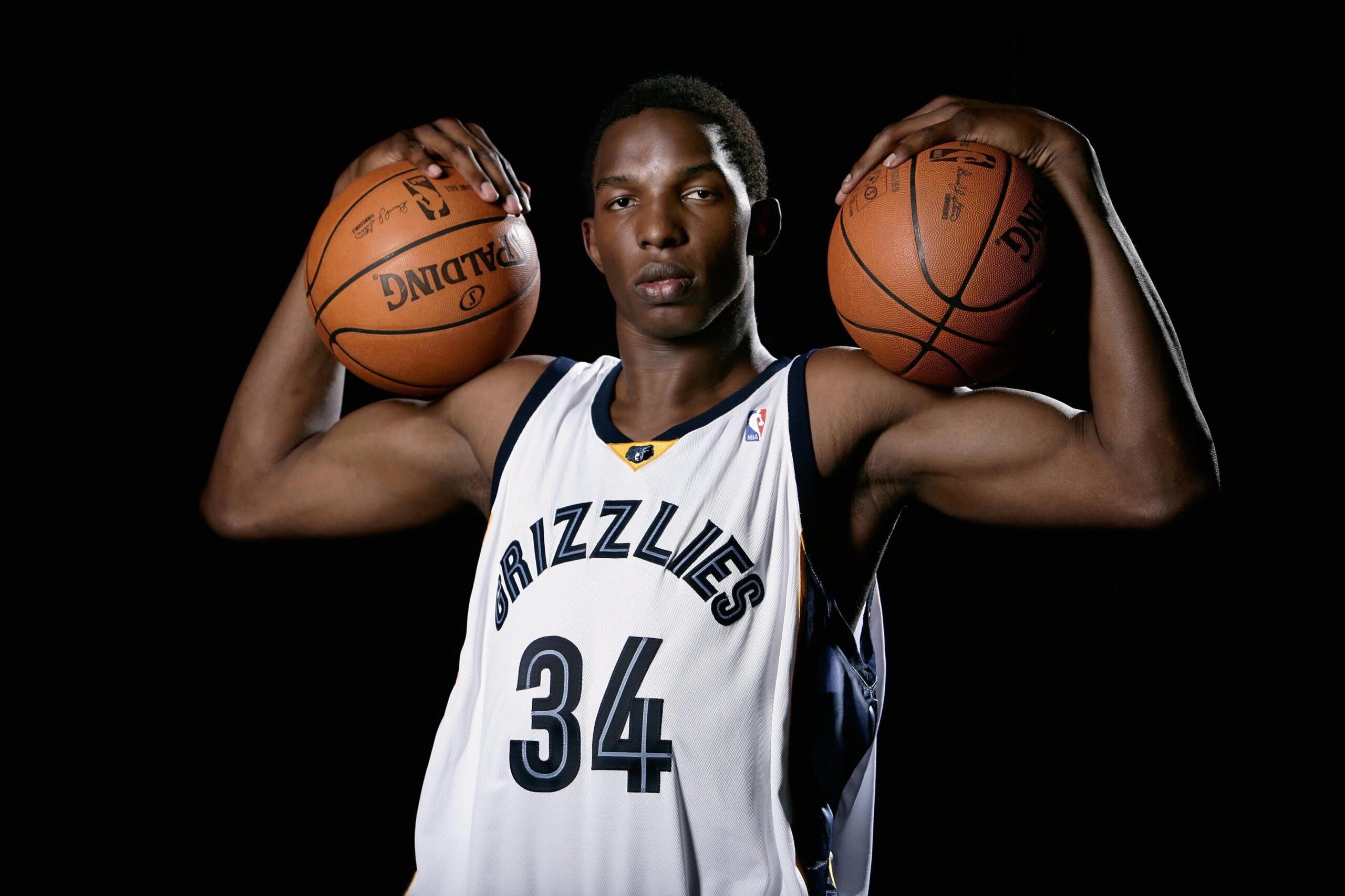 At 7-foot-3, Hasheem Thabeet seemed like the ultimate defensive prospect.
The University of Connecticut center was known for his incredible shot-blocking ability and intimidating presence in the paint. The Memphis Grizzlies selected him second overall in the 2009 draft with hopes he would become a defensive anchor.
Instead, Thabeet struggled to adjust to the speed and skill level of the NBA. His offensive game was extremely limited, and he often appeared overwhelmed against stronger and more experienced players.
In a rare move for such a high draft pick, Memphis even sent Thabeet to the NBA’s developmental league during his rookie season.
He eventually played for several teams but never developed into the impact player expected from a No. 2 overall pick.
6. Greg Oden (1st Pick, 2007)
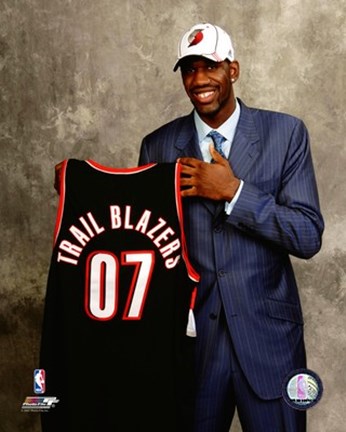 Greg Oden is one of the most tragic “what-if” stories in NBA history.
Coming out of Ohio State, Oden was considered a generational defensive center prospect. The Portland Trail Blazers selected him with the first overall pick in the 2007 draft ahead of future MVP Kevin Durant.
When healthy, Oden showed flashes of why scouts had been so excited about him. He was a dominant rebounder and shot blocker with the physical tools to control the paint.
Unfortunately, his career was devastated by injuries almost immediately. Multiple knee surgeries and long rehabilitation periods kept him off the court for extended stretches.
Oden played only 105 NBA games in his entire career.
Although the injuries were beyond his control, the fact that Portland passed on Durant has made the decision one of the most infamous draft moments in NBA history.
5. LaRue Martin (1st Pick, 1972)
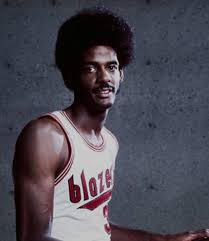 When historians discuss the biggest draft busts in NBA history, LaRue Martin is almost always mentioned.
Martin was selected first overall by the Portland Trail Blazers in the 1972 NBA Draft. The center from Loyola University Chicago had size and defensive potential, but he was not considered the dominant college star that most No. 1 picks usually are.
Portland hoped Martin would develop into a franchise center.
Instead, his career never took off.
Across four seasons, Martin averaged only 5.3 points and 4.6 rebounds per game. He struggled to earn consistent playing time and never became a reliable contributor.
The pick became even more painful when future Hall of Fame center Bob McAdoo, who was drafted second overall, went on to become an MVP and one of the best scorers of his era.
4. Kwame Brown (1st Pick, 2001)
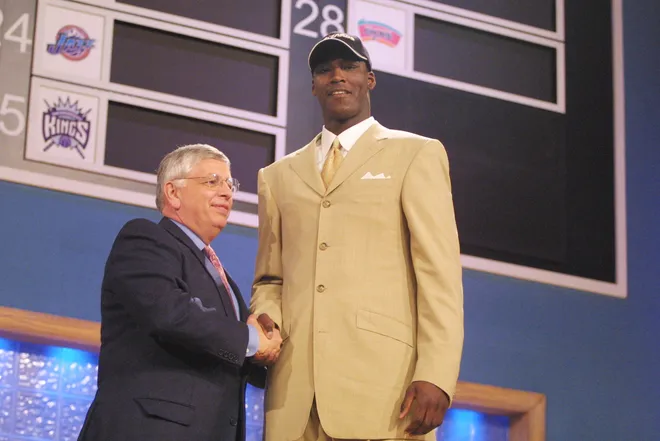 Kwame Brown entered the NBA with enormous expectations.
Selected first overall by the Washington Wizards, Brown became the first high school player ever chosen with the No. 1 pick.
At 6-foot-11 with impressive athleticism, Brown seemed like the perfect young big man to build around. However, he struggled with confidence and consistency early in his career.
Playing under the intense spotlight created by Wizards star Michael Jordan only increased the pressure.
While Brown managed to stay in the league for more than a decade as a role player, he never developed into the dominant center teams expect from a No. 1 overall pick.
3. Michael Olowokandi (1st Pick, 1998)
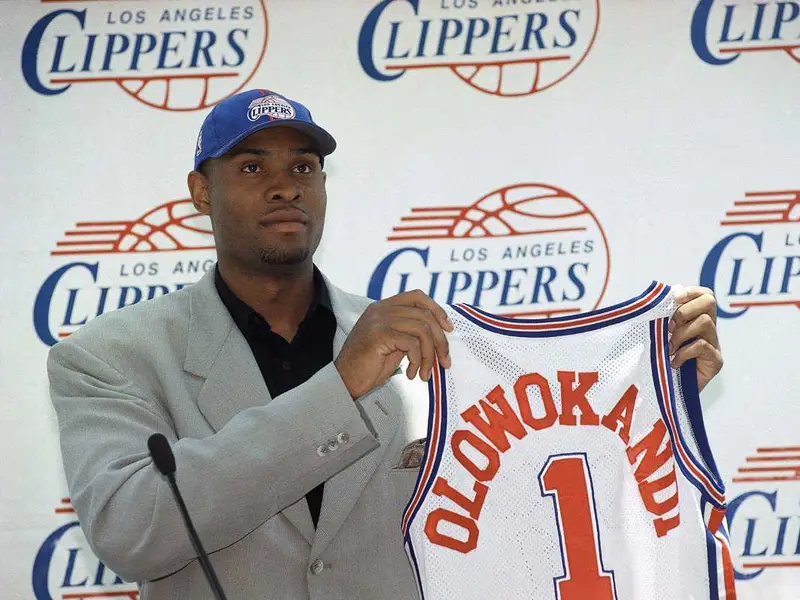 Nicknamed “The Kandi Man,” Michael Olowokandi was selected first overall by the Los Angeles Clippers in 1998.
At the time, the Clippers believed they were drafting a future franchise center.
Instead, Olowokandi struggled with conditioning, consistency, and offensive development throughout his career.
Despite his size and athletic tools, he never became the dominant force teams expect from a No. 1 overall selection.
His modest production and inconsistent play quickly earned him a reputation as one of the biggest draft disappointments of the late 1990s.
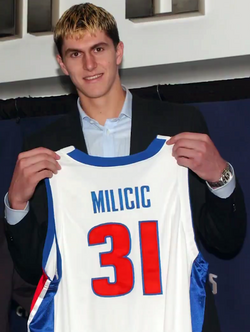
2. Darko Miličić (2nd Pick, 2003)
 The 2003 NBA Draft is widely considered one of the greatest draft classes ever assembled.
It produced superstars such as LeBron James, Dwyane Wade, Chris Bosh, and Carmelo Anthony.
But the player selected second overall was Darko Miličić.
The Detroit Pistons believed the Serbian prospect had superstar potential thanks to his size, mobility, and skill.
Unfortunately, Darko rarely played during his early seasons because Detroit already had a championship-caliber roster.
His development stalled, and he never became more than a role player.
Considering the Hall of Fame talent selected immediately after him, the pick remains one of the most infamous mistakes in NBA draft history.
1. Anthony Bennett (1st Pick, 2013)
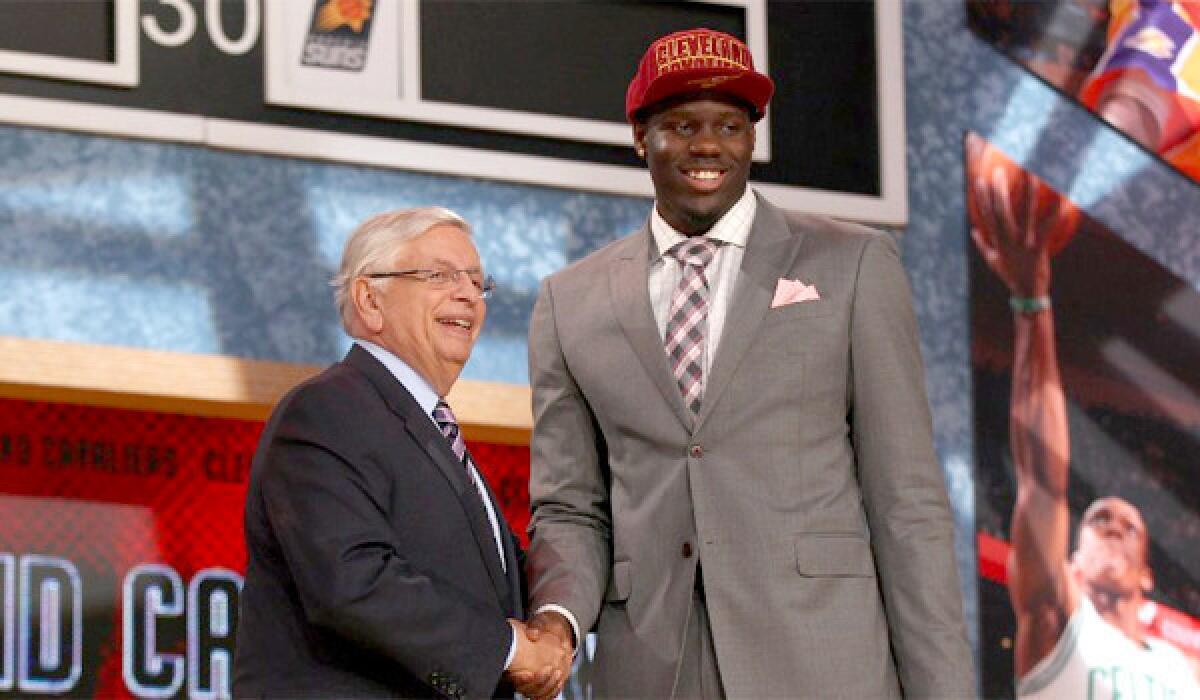 Anthony Bennett is widely considered the biggest draft bust in NBA history.
When the Cleveland Cavaliers selected Bennett with the first overall pick in the 2013 draft, the basketball world was stunned. Bennett had shown promise at UNLV but was not widely projected to go No. 1.
Unfortunately, he struggled almost immediately.
Bennett dealt with conditioning problems, injuries, and difficulty adjusting to the speed of the NBA game. His rookie season was historically poor for a top pick, averaging only 4.2 points per game.
Within just a few years, Bennett was out of the NBA entirely.
For a No. 1 overall pick to have such a short and unproductive career places Bennett firmly at the top of almost every “draft bust” list.
The Unpredictable Nature of the NBA Draft
The NBA Draft remains one of the most unpredictable events in professional sports. Teams invest enormous time and resources into scouting prospects, analyzing data, and projecting future potential.
But even the most thorough evaluation process cannot eliminate risk.
Some players struggle to adjust to the speed and physicality of the professional game. Others face injuries that derail their careers. And sometimes teams simply overlook the future superstar sitting right there on the draft board.
For every franchise that drafts a generational talent, another is left wondering what might have been.
That uncertainty—and the possibility of either greatness or disappointment—is what continues to make the NBA Draft one of the most fascinating events in sports.