Music and movies have always gone hand in hand. A great soundtrack can elevate an ordinary film, but every so often, a movie comes along where the music isn’t just part of the experience—it is the experience. Whether it’s chronicling the rise and fall of legendary artists, capturing the chaos of life on the road, celebrating fictional bands that somehow feel more real than some actual ones, or reminding us why record stores used to be magical places, the best music movies strike a chord that resonates long after the credits roll.
The films on this list cover nearly every corner of the musical universe. You’ll find biopics that introduced new generations to legendary performers, documentaries so captivating they barely feel like documentaries, comedies that accidentally became classics, and fictional stories that perfectly capture the passion, heartbreak, ego, friendship, and sheer weirdness that often accompany a life devoted to music. Some are laugh-out-loud funny, some are heartbreaking, and a few manage to be both within the same scene.
Ranking music movies is never easy because they’re often judged by different standards. Is historical accuracy the most important factor? Should the quality of the music itself matter more than the filmmaking? Does a fictional story deserve to rank alongside the life of a genuine musical icon? There are no perfect answers, which is exactly what makes lists like this so much fun. Every fan has their own favorites, and chances are you’ll disagree with at least one ranking. That’s practically a requirement.
So turn the volume up, ignore the neighbor pounding on the wall, and enjoy a countdown of the 24 greatest movies about music.
** Before I get into this, as with all my lists, they are personal preference. And for me, I HATED Bohemian Rhapsody, Rockman, that thing with the Indian dude doing Beatles songs, and that Hanna Montana dude Elvis movie. Not my cup of tea, so they will not be on here **
If you have a problem with that,
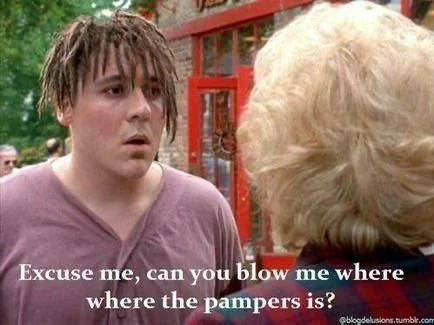
So Let’s Go…..
25. School of Rock (2003)
 If there has ever been a movie capable of convincing an entire generation that rock and roll belongs in the classroom, it’s School of Rock. What could have been a simple comedy about a struggling musician pretending to be a substitute teacher became one of the most beloved music films of the 21st century thanks to a brilliant script by Mike White and a career-defining performance from Jack Black.
Black plays Dewey Finn, an energetic guitarist who, after being kicked out of his own band, stumbles into a substitute teaching job and discovers that his elementary school students possess remarkable musical talent. Instead of teaching math and history, he introduces them to the legends of classic rock, from Led Zeppelin and AC/DC to The Who, Black Sabbath, and Stevie Nicks. While the school’s administration would probably have preferred multiplication tables, the audience gets a joyful reminder that music can inspire confidence, teamwork, and creativity in ways few other subjects can.
What makes School of Rock work so well is its enormous heart. Beneath the laughs is a story about encouraging young people to believe in themselves and discover talents they never knew they had. Every member of the student band gets a chance to shine, whether on guitar, drums, keyboards, bass, or vocals, making the final performance feel genuinely earned rather than simply scripted for a Hollywood ending.
Jack Black is perfectly cast. His boundless enthusiasm, encyclopedic knowledge of rock history, and infectious love of music make Dewey Finn one of the most likable characters in any music movie. Even viewers unfamiliar with classic rock can’t help but get swept up in his passion, while longtime fans will appreciate the countless musical references sprinkled throughout the film.
The soundtrack is another major strength, mixing original songs with classic rock staples that introduce younger audiences to some of the greatest bands ever assembled. The climactic Battle of the Bands performance remains one of the movie’s most exhilarating moments, proving that passion and preparation can overcome inexperience. It’s impossible not to smile as the students transform from shy children into confident performers before a cheering crowd.
Beyond the music, School of Rock celebrates the importance of inspiring the next generation. Dewey doesn’t simply teach the kids how to play instruments; he teaches them to believe in themselves, work together, and embrace their individuality. That’s a lesson that extends far beyond the stage. Funny, heartfelt, endlessly quotable, and packed with fantastic music, School of Rock has become a modern classic that continues to introduce young audiences to rock music while reminding older fans why they fell in love with it in the first place.
Also Funny Story, so in all my concerts, I go to, I was at South By SouthWest Fest back in 2014. They always have weird shit at all the little bars everywhere. And when I went into one, they had a 10 year reunion of the School of Rock Kids and Jack Black.
The sad thing is since then. Joey Gaydos Jr (Zack The Guitar Player) has been arrested a shit ton of times for robbery and DUI is is basically just you’re average Florida Bum. Kevin Clark, The Drummer “Freddy Spazzy McGee” was killed when he was run over by a car while riding his bike. And Rebecca Brown, The Bass Player Katie “Posh Spice” Changed her name to Rivkah Reyes and started selling naked pictures [NSFW] of herself for like $10 before the days of OnlyFans
24. A Mighty Wind (2003)
Christopher Guest had already struck comedy gold with This Is Spinal Tap, Waiting for Guffman, and Best in Show before turning his attention to the world of folk music. The result was A Mighty Wind, a loving parody that understands the genre so well it’s often difficult to tell where the satire ends and genuine admiration begins.
The film follows several aging folk acts reuniting for a tribute concert honoring a recently deceased promoter. On paper, that premise doesn’t sound particularly exciting, but Guest’s ensemble cast transforms it into something wonderfully entertaining. Eugene Levy, Catherine O’Hara, Michael McKean, Harry Shearer, and Christopher Guest himself create characters who are both hilarious and surprisingly believable.
One of the movie’s greatest strengths is that the songs are actually good. Rather than writing intentionally bad music, the filmmakers created original folk tunes that could comfortably sit beside the real thing. “A Kiss at the End of the Rainbow” is so convincing that many viewers assume it’s an authentic folk classic.
The humor comes less from mocking folk music than from the personalities surrounding it. Old grudges, awkward reunions, oversized egos wrapped inside humble acoustic guitars, and performers who never quite accepted that the 1960s ended all make for consistently funny moments.
A Mighty Wind doesn’t reach the iconic status of Spinal Tap, but it succeeds because it respects the music while gently poking fun at the culture surrounding it. That’s a difficult balance to achieve, and Guest pulls it off effortlessly.
[ Stream For Free On Youtube ]
23. Hedwig and the Angry Inch (2001)
 Few music movies are as fearless as Hedwig and the Angry Inch. Based on the acclaimed stage musical, the film tells the story of Hedwig Robinson, an East German rock singer searching for identity, love, acceptance, and perhaps a decent wig that can survive a concert.
John Cameron Mitchell delivers an unforgettable performance as Hedwig, bringing vulnerability, charisma, humor, and heartbreak together in equal measure. The movie constantly shifts between outrageous glam-rock performances and deeply personal moments without ever feeling disjointed.
What separates Hedwig from many other musicals is the quality of its songs. Tracks like “The Origin of Love,” “Midnight Radio,” and “Wig in a Box” aren’t simply plot devices—they’re genuinely excellent rock songs that stand on their own outside the film.
Visually, the movie embraces bold colors, theatrical staging, and imaginative storytelling. It never tries to be realistic because realism would actually make it less effective. Instead, every performance feels larger than life while still revealing something honest about its central character.
The film has become a cult classic because audiences continue discovering its message of self-acceptance and individuality. It’s funny, emotional, occasionally bizarre, and completely unforgettable. Like the best rock stars themselves, Hedwig and the Angry Inch refuses to fit neatly into anyone else’s expectations.
22. A Star Is Born (1976)
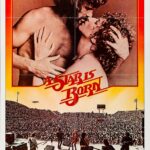 Before Lady Gaga and Bradley Cooper introduced a new generation to A Star Is Born, there was Barbra Streisand and Kris Kristofferson. Their 1976 version reimagined the classic Hollywood story through the lens of the rock music industry, reflecting the excesses and emotional highs and lows of the decade.
Streisand plays Esther Hoffman, an aspiring singer whose career skyrockets while the man who helped launch it struggles with addiction and declining popularity. Kristofferson brings rugged authenticity to John Norman Howard, creating a character whose flaws make his downfall all the more heartbreaking.
The movie’s greatest asset is its music. “Evergreen,” written by Barbra Streisand and Paul Williams, became one of the defining love songs of the decade, winning the Academy Award for Best Original Song. The concert sequences also feel authentic thanks to energetic performances and convincing live production.
Not every aspect of the film has aged perfectly—1970s fashion has a remarkable ability to remind us exactly which decade we’re watching—but its emotional core remains powerful. More importantly, it demonstrated that music films could combine commercial success with genuine dramatic weight.
While later versions may receive more attention today, the 1976 adaptation remains an essential chapter in the evolution of one of Hollywood’s most enduring musical stories.
[Does Not Stream Anywhere for Free]
21. Detroit Rock City (1999)
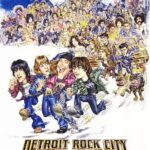 Some movies celebrate music by telling the story of famous musicians. Detroit Rock City celebrates music by reminding us what it’s like to be a fan. Specifically, a fan willing to do almost anything to see KISS in concert.
Set in the late 1970s, the film follows four teenage friends whose carefully planned trip to a KISS concert immediately goes off the rails. Tickets disappear, parents intervene, cars break down, and nearly every bad decision imaginable gets made along the way.
The movie succeeds because it captures the obsessive excitement that accompanies being a teenage music fan. Anyone who has driven hours to see a favorite band, slept outside for tickets, or spent their last few dollars on concert merchandise will recognize pieces of themselves in these characters.
While critics were lukewarm upon release, audiences have embraced the film over the years. Its combination of crude humor, coming-of-age storytelling, and genuine affection for rock music has earned it cult-classic status.
Even viewers who aren’t particularly fond of KISS can appreciate the universal story beneath the face paint. Every generation has “that band” worth skipping school for, ignoring common sense for, and occasionally risking bodily injury for. Looking back, most fans would probably make the same decisions again—though perhaps with slightly better parking plans.
[Does Not Stream Anywhere For Free]
** As an Added Bonus Here is a Video I took of Kiss playing “Detroit Rock City” in Dayton in 2022**
20. Great Balls of Fire! (1989)
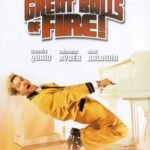 Jerry Lee Lewis lived a life so outrageous that Hollywood barely needed to exaggerate anything. Great Balls of Fire! embraces that reality with contagious energy, chronicling the rise of one of rock and roll’s most explosive pioneers.
Dennis Quaid throws himself completely into the role, capturing Lewis’ wild piano playing, boundless confidence, and unpredictable personality with infectious enthusiasm. Rather than merely impersonating the legendary performer, Quaid creates a believable portrait of an artist whose talent often competed with his own self-destructive impulses.
The movie wisely places just as much emphasis on the music as it does on the controversy. Lewis’ performances are electric, reminding viewers why he became one of the founding fathers of rock and roll. Every piano solo feels dangerous, as though the instrument might burst into flames before the scene ends. Considering Jerry Lee’s reputation, that probably wasn’t far from the truth.
Of course, the film also addresses the scandal surrounding Lewis’ marriage to his thirteen-year-old cousin, an event that dramatically altered his career. The subject is handled without avoiding its seriousness, illustrating how personal decisions can overshadow extraordinary talent.
While some historical details are simplified for dramatic purposes, Great Balls of Fire! remains an entertaining portrait of one of rock’s most unforgettable characters. Like its subject, the movie is loud, energetic, slightly chaotic, and impossible to ignore.
[Does Not Stream Anywhere for Free]
19. Whiplash (2014)
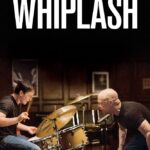 Few films have sparked as many debates among musicians as Whiplash. Is it an inspiring story about pursuing greatness, or a terrifying warning about the cost of perfection? The answer is probably both.
Miles Teller stars as Andrew Neiman, an ambitious jazz drummer determined to become one of the greats. Standing in his way—or perhaps pushing him toward greatness—is Terence Fletcher, played with astonishing intensity by J.K. Simmons in an Oscar-winning performance that could make even experienced musicians nervous about showing up to rehearsal five minutes early.
Although Whiplash isn’t based on a true story, it captures the relentless pursuit of excellence better than almost any music film ever made. Practice sessions become psychological battles, rehearsals resemble military boot camps, and every performance carries enormous emotional stakes.
The drumming sequences are among the finest ever filmed. Director Damien Chazelle transforms rehearsals into edge-of-your-seat action scenes, proving that a perfectly timed cymbal crash can generate as much suspense as any Hollywood car chase.
Some real-life jazz musicians have argued that the film exaggerates conservatory culture, and they’re probably right. Fortunately, movies aren’t documentaries. Whiplash succeeds because it explores obsession, ambition, sacrifice, and the sometimes uncomfortable relationship between talent and discipline. It’s exhilarating, exhausting, and unforgettable—all without blowing up a single building.
[Does Not Stream Anywhere For Free]
18. Ray (2004)
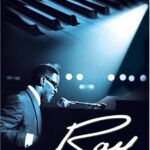 Bringing the life of Ray Charles to the big screen was an enormous challenge. Charles wasn’t simply one of the greatest singers of all time—he was a musical innovator who blended gospel, blues, jazz, country, and R&B into a style that forever changed American music. Fortunately, the filmmakers found the perfect actor in Jamie Foxx, whose extraordinary performance became one of the finest musical portrayals ever committed to film.
Foxx doesn’t merely imitate Ray Charles’ mannerisms. He completely disappears into the role, capturing Charles’ humor, confidence, stubbornness, vulnerability, and unmatched musical genius. His Academy Award for Best Actor was richly deserved, and many viewers forget they’re watching Jamie Foxx after only a few minutes.
The film wisely avoids turning Charles into either a saint or a villain. It celebrates his groundbreaking career while honestly addressing his struggles with heroin addiction, complicated relationships, and personal demons. That balance makes the movie far more compelling than a standard inspirational biography.
Musically, Ray is spectacular. The performances recreate many of Charles’ greatest recordings with remarkable authenticity while reminding audiences just how revolutionary songs like “What’d I Say,” “Georgia on My Mind,” and “Hit the Road Jack” truly were. Every concert scene radiates energy and excitement.
Ray succeeds because it understands that true musical greatness rarely comes without sacrifice. It’s an emotional, inspiring, and deeply entertaining portrait of one of America’s greatest artists.
[Does Not Stream Anywhere For Free]
17. What’s Love Got to Do with It (1993)
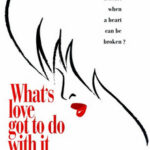 Few music biopics are as emotionally powerful as What’s Love Got to Do with It. Based on Tina Turner’s autobiography, the film chronicles her remarkable rise from a young singer named Anna Mae Bullock to an international superstar who overcame unimaginable personal hardship.
Angela Bassett delivers one of the greatest performances in movie history. She captures Tina Turner’s stage presence with astonishing accuracy while also portraying the vulnerability and strength that defined her offstage life. It’s the kind of performance that leaves audiences wondering how she didn’t win the Academy Award. Laurence Fishburne is equally impressive as Ike Turner, creating a complex portrait of a gifted musician whose abusive behavior ultimately destroyed both his marriage and his reputation.
The film never sensationalizes the abuse that Tina endured. Instead, it presents those moments honestly while keeping the focus on her resilience and determination. Watching Tina gradually reclaim her independence becomes the emotional centerpiece of the story.
The musical performances are equally outstanding. Bassett convincingly recreates Tina’s explosive stage energy, reminding viewers why she became one of the greatest live performers in rock history. The concert sequences pulse with excitement while showcasing the incredible songs that defined her career.
More than thirty years later, What’s Love Got to Do with It remains one of the most inspiring music films ever made. It’s ultimately a story about survival, perseverance, and finding the strength to reclaim your own voice—even if it takes years to do it.
[Not Streaming Anywhere Free]
16. Straight Outta Compton (2015)
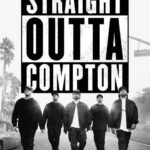 Hip-hop had been waiting a long time for a major Hollywood biopic, and Straight Outta Compton delivered one worthy of the genre’s enormous influence. Chronicling the rise of N.W.A., the film tells the story of how five young men from Compton forever changed music by refusing to soften their message or apologize for their experiences.
One of the movie’s greatest achievements is its casting. O’Shea Jackson Jr. portrays his father, Ice Cube, with uncanny accuracy, while Corey Hawkins, Jason Mitchell, Aldis Hodge, and Neil Brown Jr. create believable portrayals of Dr. Dre, Eazy-E, MC Ren, and DJ Yella. Their chemistry makes the group’s friendships—and eventual conflicts—feel authentic.
The film excels at showing how controversial music often reflects uncomfortable truths. Songs that shocked mainstream audiences during the late 1980s are presented within the social and political climate that inspired them, giving viewers a deeper appreciation for N.W.A.’s impact on both music and culture.
Naturally, the movie has been criticized for glossing over certain aspects of the group’s history, particularly regarding some members’ personal behavior. That’s a fair criticism, but it doesn’t diminish the film’s effectiveness as an entertaining and historically significant story.
The concert scenes are electrifying, the soundtrack is phenomenal, and the performances capture the excitement of watching hip-hop evolve into one of the world’s most influential musical genres. Few biopics have introduced an entirely new generation to an artist’s catalog as successfully as Straight Outta Compton.
[Not Streaming Anywhere For Free]
15. Amadeus (1984)
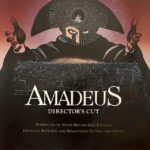 Not every great music movie is about rock stars carrying guitars or pop singers filling stadiums. Sometimes it’s about powdered wigs, elaborate operas, and enough classical music to remind viewers that genius existed long before electric amplifiers.
Amadeus tells the story of Wolfgang Amadeus Mozart through the eyes of rival composer Antonio Salieri. While historians have long debated the accuracy of their rivalry, the film never pretends to be a documentary. Instead, it presents a compelling meditation on talent, jealousy, ambition, and the sometimes cruel nature of artistic brilliance.
Tom Hulce’s portrayal of Mozart is unforgettable. Rather than presenting him as a solemn musical genius, Hulce depicts him as immature, mischievous, and often completely insufferable. Somehow, those qualities only make his extraordinary gifts seem even more miraculous. F. Murray Abraham deservedly won the Academy Award for his heartbreaking performance as Salieri, a good composer painfully aware that he will forever live in Mozart’s shadow.
The music itself is naturally one of the film’s greatest stars. Even viewers unfamiliar with classical music often find themselves captivated by Mozart’s compositions because the film explains their brilliance in ways that are both entertaining and accessible.
If you’ve ever wondered whether envy could fuel a three-hour masterpiece, Amadeus answers with a resounding yes.
[Not Streaming Anywhere For Free]
14. 8 Mile (2002)
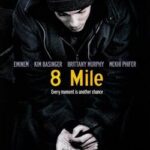 When 8 Mile premiered in 2002, many assumed it would simply be a feature-length music video starring Eminem. Instead, audiences received one of the most authentic portrayals of ambition, poverty, and artistic determination ever put on film.
Eminem stars as Jimmy “B-Rabbit” Smith Jr., an aspiring rapper struggling to escape the limitations of his environment while finding his own voice. Although the movie isn’t a strict autobiography, it clearly draws inspiration from Eminem’s early experiences in Detroit.
The film’s greatest strength lies in its authenticity. The neighborhoods feel lived in, the characters seem genuine, and the battles are portrayed with remarkable realism. Rather than glamorizing fame, 8 Mile focuses on the relentless effort required just to earn an opportunity.
The rap battle sequences are among the finest musical competitions ever filmed. They aren’t simply contests of lyrical skill; they’re psychological warfare. Every insult carries weight because the competitors understand each other’s vulnerabilities. The climactic showdown remains one of cinema’s most satisfying finales, largely because victory is earned through intelligence, confidence, and creativity rather than physical confrontation.
“Lose Yourself” became one of the defining songs of the decade and earned the Academy Award for Best Original Song, becoming the first hip-hop track to receive the honor. Combined with Eminem’s surprisingly strong acting performance, it helped transform 8 Mile into a cultural landmark that continues to influence music films today.
[Not Streaming Anywhere For Free]
** As a Bonus here is a Video I took of Eminem doing “Lose Yourself at Lollapalooza in 2014″**
13. La Bamba (1987)
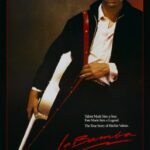 Some music movies celebrate long, legendary careers. La Bamba tells a far more heartbreaking story by reminding audiences how much was lost when Ritchie Valens died at just seventeen years old.
Lou Diamond Phillips delivers a star-making performance as Valens, capturing both the teenager’s infectious enthusiasm and his remarkable confidence as a performer. Esai Morales is equally memorable as Ritchie’s troubled half-brother Bob, creating one of the most emotionally complex sibling relationships in any music biopic.
The movie beautifully illustrates Valens’ meteoric rise from a young Mexican-American musician in California to one of rock and roll’s earliest stars. His success helped open doors for countless Latino artists who followed, making his influence far greater than his brief career might suggest.
The soundtrack deserves enormous praise. Los Lobos re-recorded many of Valens’ classics, giving them renewed energy while remaining faithful to the originals. Their version of “La Bamba” became a massive hit in its own right, introducing the song to an entirely new generation.
Even viewers familiar with the tragic ending find themselves emotionally invested because the film spends so much time celebrating Valens’ optimism, talent, and family. When the inevitable conclusion arrives, it still feels devastating.
La Bamba isn’t simply about a musician who died too young. It’s about enormous potential, cultural pride, and the enduring power of music to transcend generations.
[Not Streaming Anywhere for Free, but it is on Netflix]
** As an Added Bonus here is a Video I shot of Los Lobos Playing “Cinnimon Girl -> La Bamba -> Good Loving -> La Bamba” in Cleveland 2024**
12. Almost Famous (2000)
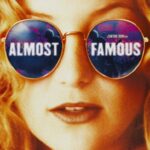 Every music fan secretly believes they would have been the perfect roadie, tour manager, or backstage journalist if only they’d been born a few decades earlier. Almost Famous is the movie that feeds that fantasy—and somehow makes it feel both magical and painfully realistic at the same time.
Loosely based on writer-director Cameron Crowe’s own experiences as a teenage reporter for Rolling Stone, the film follows fifteen-year-old William Miller as he joins the fictional rock band Stillwater on tour during the early 1970s. Through William’s eyes, we experience the intoxicating highs of life on the road alongside the loneliness, ego, and emotional exhaustion that often lurk behind the spotlight.
Patrick Fugit gives a wonderfully understated performance as William, but the movie belongs to Kate Hudson as Penny Lane. Her charismatic portrayal transformed the phrase “Band-Aid” into part of pop culture and created one of the most memorable characters in any music film. Billy Crudup also shines as guitarist Russell Hammond, capturing the confidence and insecurity that often coexist within rock stars.
One of the film’s greatest accomplishments is that Stillwater feels like a real band. Their music sounds authentic, their arguments feel genuine, and the chemistry among the members resembles countless actual rock groups whose careers have been shaped as much by personality conflicts as musical talent.
The famous “Tiny Dancer” bus scene has become legendary for good reason. Without relying on elaborate dialogue, it perfectly captures the way music can repair friendships, dissolve tension, and remind people why they came together in the first place.
Funny, nostalgic, and deeply heartfelt, Almost Famous isn’t simply about rock music. It’s about growing up, discovering who you are, and realizing that the people you idolize are often just as lost as everyone else.
[ Stream For Free On PlutoTV ]
** As a Bonus here is a Video I tool of Elton John playing “Tiny Dancer” At Wells Fargo Center in 2019**
11. Stop Making Sense (1984)
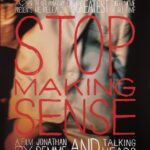 Concert films often struggle to capture the excitement of actually attending a live performance. Stop Making Sense doesn’t just solve that problem—it practically redefines what a concert film can be.
Directed by Jonathan Demme, the movie documents Talking Heads during the tour supporting Speaking in Tongues, and nearly every creative decision works brilliantly. Rather than opening with a fully assembled band, David Byrne walks onto an empty stage carrying nothing but a boombox and an acoustic guitar to perform “Psycho Killer.” As each song unfolds, additional musicians, instruments, lighting, and stage elements gradually appear until the stage is alive with energy.
It’s a deceptively simple concept that mirrors the way great concerts naturally build momentum. By the finale, the audience has witnessed not only an incredible performance but also the construction of an unforgettable live experience.
David Byrne’s oversized suit has become one of the most iconic images in music history. It’s simultaneously absurd, brilliant, and somehow perfectly suited to Talking Heads’ quirky artistic identity. Like much of the band’s work, it shouldn’t make sense—and yet it absolutely does.
Musically, the performances are extraordinary. Songs like “Burning Down the House,” “Life During Wartime,” “Girlfriend Is Better,” and “Once in a Lifetime” are often considered definitive versions, filled with remarkable musicianship and infectious energy.
Unlike many concert films that rely heavily on crowd shots or flashy editing, Stop Making Sense trusts the performers. The camera allows viewers to appreciate every musical detail, creating an experience that remains just as captivating today as it was more than forty years ago.
[Not Streaming For Free Anywhere ]
** As An Added Bonus here is a Video I Took of David Bynre playing “Burning Down The House” in Toronto 2025
10. The Runaways (2010)
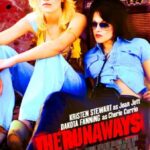 Rock history is filled with legendary bands, but few stories are as compelling as that of The Runaways. Formed in the mid-1970s, the all-female group helped challenge expectations about who could play loud, aggressive rock and roll, paving the way for countless artists who followed.
The Runaways focuses primarily on the relationship between Joan Jett and Cherie Currie, portrayed by Kristen Stewart and Dakota Fanning. Both actresses deliver surprisingly nuanced performances, capturing the excitement of sudden fame while exploring the emotional pressures that accompanied it.
Stewart’s portrayal of Joan Jett is particularly impressive. Rather than attempting a simple imitation, she captures Jett’s determination, confidence, and quiet intensity, showing how deeply committed she was to proving that women belonged on rock stages just as much as men.
Dakota Fanning brings vulnerability to Cherie Currie, illustrating the overwhelming experience of becoming a teenage rock star almost overnight. Their friendship forms the emotional core of the movie, making the band’s eventual struggles feel genuinely heartbreaking.
The concert scenes effectively recreate the raw energy that made The Runaways such an exciting live act. Songs like “Cherry Bomb” explode with youthful enthusiasm, reminding audiences why the band caused such a stir despite its relatively short career.
The film also examines the darker side of fame, including industry manipulation, personal conflict, and the immense pressure placed on young performers. While it understandably condenses certain events, it remains a compelling portrait of one of rock’s most influential bands.
Sometimes changing history doesn’t require decades of success. Sometimes it only takes a few fearless teenagers willing to turn the amplifiers all the way up.
[Not Streaming For Free Anywhere]
** As an added bonus here is a video of Joan Jeff Playing “Cherry Bomb” from Houston 2025**
9. Walk the Line (2005)
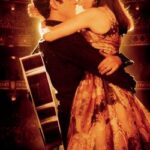 Johnny Cash lived one of the most fascinating lives in American music, and Walk the Line captures both his extraordinary talent and the personal struggles that nearly destroyed him. Rather than simply presenting a greatest-hits biography, the film focuses on the complicated relationship between Cash and June Carter, creating one of the finest musical love stories ever filmed.
Joaquin Phoenix disappears into the role of Johnny Cash with remarkable commitment. He doesn’t merely resemble Cash physically; he captures the singer’s quiet intensity, dry humor, and emotional vulnerability. Reese Witherspoon is equally exceptional as June Carter, delivering a performance so charming and authentic that it earned her the Academy Award for Best Actress.
One of the film’s boldest decisions was having the actors perform the songs themselves rather than lip-syncing to the original recordings. Both Phoenix and Witherspoon rise to the challenge brilliantly, making their performances feel genuine rather than manufactured.
The movie honestly portrays Cash’s struggles with addiction without allowing them to overshadow his remarkable musical achievements. It also highlights the importance of June Carter, whose patience, strength, and unwavering belief in Johnny helped him overcome his darkest periods.
The recreated performances at Sun Records and the famous Folsom Prison concert effectively transport viewers back to some of the most important moments in Cash’s career. Every musical sequence feels authentic because the filmmakers clearly understood the importance of getting the details right.
Like the man himself, Walk the Line is tough, compassionate, flawed, funny, and deeply human. It reminds us that some of the greatest songs ever written were born from lives that were far from perfect.
[Not Streaming Anywhere for Free, but on HBO Max ]
8. That Thing You Do! (1996)
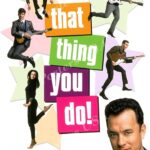 Creating a fictional one-hit wonder is surprisingly difficult. The song has to sound believable enough that audiences understand why it became a massive hit while also remaining catchy enough that people continue humming it decades later. Somehow, Tom Hanks accomplished exactly that with That Thing You Do!
Set during the early 1960s, the film follows a small-town Pennsylvania band called The Wonders as they experience a whirlwind rise to fame after an upbeat drummer accidentally transforms one of their songs into an irresistible pop anthem. It’s a premise that sounds almost too simple, but the movie charms its way into your heart from the very beginning.
The title song is one of the greatest fictional pop songs ever written. Penned by the late Adam Schlesinger of Fountains of Wayne, it perfectly captures the sound of the British Invasion era while remaining completely original. Good luck listening to it only once—it has a habit of staying in your head for the rest of the day.
Tom Everett Scott, Liv Tyler, Steve Zahn, Ethan Embry, and Johnathon Schaech create a band that feels authentic, while Tom Hanks provides warmth and humor as their increasingly exasperated manager. The film lovingly recreates the excitement of early rock-and-roll television appearances, screaming fans, and overnight success.
Unlike many music movies that focus on tragedy, addiction, or internal conflict, That Thing You Do! celebrates the simple joy of making music with friends. Sure, fame proves fleeting, egos occasionally get bruised, and not everyone gets the ending they expected, but that’s part of the charm.
Few movies leave audiences smiling quite as consistently. It’s funny, nostalgic, endlessly rewatchable, and proof that sometimes one perfect song really can change everything.
[Not Streaming Anywhere For Free]
7. The Commitments (1991)
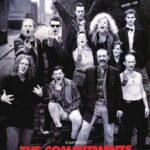 If you’ve ever believed that passion matters just as much as talent, The Commitments is your movie. Based on Roddy Doyle’s acclaimed novel, the film follows a group of working-class Dublin musicians who decide that what Ireland really needs is a soul band. It sounds like an odd premise, but by the time the credits roll, you’ll wonder why there aren’t more Irish soul groups.
Jimmy Rabbitte, the band’s enthusiastic manager, recruits an unlikely collection of singers and musicians, many of whom have enormous ability but equally enormous personalities. As with countless real bands, getting everyone into the same room is only half the battle. Keeping them together proves nearly impossible.
One of the film’s greatest accomplishments is its music. Rather than relying on original songs, The Commitments breathes new life into soul classics made famous by artists like Otis Redding, Wilson Pickett, Sam & Dave, and Aretha Franklin. Andrew Strong’s powerhouse vocals are astonishing, especially considering he was only sixteen years old during filming. His voice carries the grit, emotion, and swagger necessary to make every performance believable.
The movie also understands a universal truth about bands: creative differences usually begin about five minutes after everyone agrees on a name. Arguments over leadership, romance, money, and artistic direction slowly threaten to destroy the group’s momentum, making the story feel authentic to anyone who’s ever played in a band—or even tried organizing a family vacation.
Funny, energetic, and filled with unforgettable performances, The Commitments celebrates music’s ability to bring ordinary people together, even if only temporarily. It’s impossible not to leave the film wishing the fictional band had managed to stay together long enough to record another album.
[ Stream For Free On Youtube ]
6. The Doors (1991)
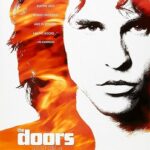 Oliver Stone’s The Doors is less a traditional biography than a fever dream inspired by one of rock’s most mysterious frontmen. Whether every event happened exactly as depicted is still debated by fans and former band members, but as a cinematic experience, the film is mesmerizing.
Val Kilmer delivers one of the greatest musical performances ever filmed. His transformation into Jim Morrison is astonishing, capturing not only Morrison’s appearance but also his voice, stage presence, charisma, and unpredictable personality. Kilmer reportedly sang many of the songs himself, and even surviving members of The Doors admitted they occasionally struggled to distinguish his vocals from Morrison’s originals.
The film embraces the psychedelic atmosphere of the late 1960s, using bold visuals and dreamlike sequences to reflect Morrison’s fascination with poetry, mysticism, and altered states of consciousness. Some viewers find Stone’s style excessive, but it’s difficult to imagine a straightforward documentary approach capturing the essence of Jim Morrison’s artistic vision.
Naturally, the soundtrack is phenomenal. Classics like “Light My Fire,” “Riders on the Storm,” “Break On Through,” and “The End” provide the emotional backbone of the story while reminding audiences why The Doors became one of rock’s most influential bands.
Critics have long argued that the movie focuses too heavily on Morrison’s excesses at the expense of the other band members and their musical achievements. That’s a fair criticism. Ray Manzarek, Robby Krieger, and John Densmore were exceptional musicians who deserved more attention.
Still, The Doors remains one of the most visually ambitious music movies ever made. It’s chaotic, hypnotic, occasionally frustrating, and utterly captivating—qualities that, coincidentally, describe Jim Morrison himself.
5. Sid & Nancy (1986)
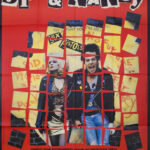 Not every music movie leaves you feeling inspired. Sid & Nancy is a heartbreaking reminder that talent, fame, and self-destruction often travel together.
Rather than telling the complete story of the Sex Pistols, the film focuses almost entirely on bassist Sid Vicious and his tumultuous relationship with Nancy Spungen. It’s less about punk music itself than about obsession, addiction, and two deeply troubled people spiraling toward tragedy.
Gary Oldman delivers a career-defining performance as Sid Vicious. His portrayal is so convincing that it’s easy to forget you’re watching an actor rather than the real musician. Oldman captures Sid’s swagger, insecurity, vulnerability, and eventual collapse with extraordinary emotional depth.
Chloe Webb is equally remarkable as Nancy Spungen, refusing to reduce her to a one-dimensional villain. Instead, she presents Nancy as a complicated, damaged person whose relationship with Sid was fueled by both genuine affection and mutual destruction.
The film deliberately avoids glamorizing heroin addiction or the punk lifestyle. Instead, it portrays the devastating consequences of both with brutal honesty. Watching the relationship unravel is emotionally exhausting, which is precisely why the movie remains so effective.
The soundtrack perfectly complements the story, mixing Sex Pistols material with other punk classics that reflect the raw energy of the era. Although some fans wish the movie had devoted more time to the band’s explosive rise, its narrower focus allows it to explore its central relationship with remarkable intensity.
Sid & Nancy isn’t always an easy watch, but it’s an unforgettable one. Sometimes the most powerful music stories are also the saddest.
[ Not Online Anywhere to Stream Free. Or At all For that matter]
4. High Fidelity (2000)
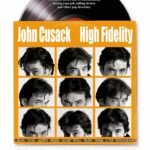 If you’ve ever spent twenty minutes explaining why the original pressing sounds better, rearranged your record collection for reasons only you understand, or ranked your five favorite albums while standing in line for coffee, congratulations—you’ve probably found yourself in High Fidelity.
Based on Nick Hornby’s novel, the film follows Rob Gordon, the owner of a struggling Chicago record store who decides to revisit his failed relationships in hopes of understanding why his love life keeps skipping like a scratched vinyl record.
John Cusack is perfectly cast as Rob, delivering witty fourth-wall-breaking narration that makes audiences feel like they’re hanging out with an opinionated friend who just happens to own thousands of records. Jack Black nearly steals the entire movie as Barry, the loudest, most opinionated record store employee in cinematic history. Every scene he’s in becomes instantly more entertaining, culminating in an unforgettable performance of “Let’s Get It On.”
What makes High Fidelity special is that music isn’t merely background decoration—it’s the language through which every character understands the world. Albums become emotional milestones, songs trigger memories, and mixtapes are treated with the seriousness of international peace treaties. Anyone who has ever spent an hour creating the perfect playlist for someone special will immediately understand.
The movie also celebrates the dying art of independent record stores, places where passionate debates about obscure B-sides were just as important as actually buying music. Watching it today feels both nostalgic and bittersweet.
Funny, smart, endlessly quotable, and filled with fantastic music, High Fidelity is one of the greatest films ever made about being a music fan.
[ Nowhere to Stream For Free, but It’s on Netflix]
3. Empire Records (1995)
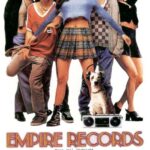 Every generation seems to adopt one movie that perfectly captures its youthful spirit, and for countless music lovers who grew up in the 1990s, that film is Empire Records.
Set over the course of a single chaotic day inside an independent record store, the movie introduces an unforgettable collection of employees, customers, dreamers, misfits, and lovable oddballs as they attempt to save the store from becoming another corporate chain. It’s a simple premise that somehow manages to include romance, comedy, personal growth, emotional breakdowns, rooftop concerts, questionable fashion choices, and enough memorable one-liners to fill an entire mixtape.
What makes Empire Records endure isn’t its plot but its atmosphere. The movie captures the excitement of discovering new music before streaming services and recommendation algorithms existed. Record stores weren’t simply places to shop—they were gathering places where friendships formed, bands were discovered, and entire afternoons disappeared while flipping through CD racks.
The soundtrack is exceptional, featuring artists like Gin Blossoms, Cracker, The Cranberries, Better Than Ezra, and Edwin Collins, among many others. Like the best compilation albums, it perfectly captures the alternative rock sound that defined the decade.
Although the film underperformed at the box office, it gradually became a cult phenomenon thanks to home video and cable television. Fans still celebrate “Rex Manning Day” every April 8, proving that some fictional events can become surprisingly real traditions.
Empire Records reminds us that music isn’t only about artists performing on stage. Sometimes it’s about the places where fans gather to argue, laugh, flirt, work, and discover the albums that will soundtrack the rest of their lives.
[You Can Stream it For Free On Amazon Prime, but their links are a pain in the ass, just go there and search it]
2. This Is Spinal Tap (1984)
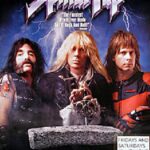 Some movies are so influential they actually change the language. Before This Is Spinal Tap, nobody talked about amplifiers that “go to eleven.” Afterward, even people who had never seen the film understood the joke.
Rob Reiner’s mockumentary follows the fictional British heavy metal band Spinal Tap as an American tour descends into increasingly ridiculous disaster. Equipment malfunctions, disastrous concerts, clueless managers, tiny Stonehenge props, and drummers with spectacularly bad luck combine to create one of the funniest comedies ever made.
The brilliance of Spinal Tap lies in how closely it resembles reality. Countless real musicians have admitted that many of the film’s funniest moments actually happened to them in some form. That’s why the comedy never feels mean-spirited. It’s satire created by people who genuinely understand life in a rock band.
Christopher Guest, Michael McKean, and Harry Shearer deserve enormous credit for creating characters who somehow feel authentic despite their complete absurdity. Even better, the music is legitimately good. Songs like “Hell Hole,” “Tonight I’m Gonna Rock You Tonight,” and “Big Bottom” are intentionally exaggerated but catchy enough that audiences often forget they’re listening to fictional songs.
Few films have had a greater impact on both comedy and music culture. It’s impossible to watch modern music documentaries without noticing ideas that Spinal Tap pioneered decades ago.
Simply put, if you’ve ever been in a band—or even known someone who has—you’ll probably spend half the movie laughing and the other half saying, “That actually happened to us once.”
[Nowhere to Stream For Free, But It’s on HBO Max ]
1. The Blues Brothers (1980)
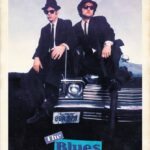 If there were ever a movie that proved music films don’t have to choose between outstanding performances and outrageous comedy, it’s The Blues Brothers. More than four decades after its release, John Landis’ masterpiece remains one of the most entertaining celebrations of American music ever put on film. It’s a road movie, a musical, an action comedy, and a loving tribute to rhythm and blues all rolled into one unforgettable package. Few films have ever packed so much talent into a single runtime, and even fewer have managed to make so many impossible ideas somehow feel perfectly reasonable.
The story itself is wonderfully simple. Fresh out of prison, Jake Blues reunites with his brother Elwood to save the Catholic orphanage where they were raised. Their solution? Put the old band back together and stage a benefit concert. Naturally, this seemingly straightforward mission results in high-speed police chases, encounters with angry country musicians, a mysterious woman armed with an alarming amount of explosives, and enough destroyed police cars to make any insurance company quietly close its office for the day.
John Belushi and Dan Aykroyd are magnificent as Jake and Elwood Blues. Their chemistry is effortless, built on impeccable comedic timing and a genuine love of rhythm and blues music. The pair never play the characters as cartoons. Beneath the sunglasses and black suits are two men who sincerely believe they’re on “a mission from God,” and somehow that unwavering confidence makes every ridiculous situation believable.
While the comedy is legendary, the real star of The Blues Brothers is its extraordinary music. The film assembled one of the greatest collections of performers ever gathered for a motion picture. James Brown electrifies the screen as Reverend Cleophus James, turning a church service into one of cinema’s greatest musical sequences. Aretha Franklin delivers a show-stopping rendition of “Think” that completely steals every scene she’s in. Ray Charles transforms a humble music store into an unforgettable performance space with “Shake a Tail Feather.” Cab Calloway reminds audiences why he was one of entertainment’s greatest showmen with the timeless “Minnie the Moocher.” Add appearances by John Lee Hooker, Chaka Khan, Steve Cropper, Donald “Duck” Dunn, Matt “Guitar” Murphy, Willie Hall, and other legendary musicians, and the film becomes less of a movie and more of an all-star celebration of American popular music.
What makes these performances remarkable is that they never feel forced. Instead of interrupting the story, each musical number grows naturally from the characters and settings. Every song pushes the film’s energy higher while introducing audiences to artists whose influence stretched across generations. For many younger viewers, The Blues Brothers served as their introduction to soul, blues, gospel, and rhythm and blues legends they might otherwise never have discovered.
The supporting cast is equally remarkable. Carrie Fisher nearly steals the movie as Jake’s mysterious former fiancée, whose increasingly elaborate attempts at revenge become one of the film’s funniest running gags. John Candy, Charles Napier, Kathleen Freeman, Henry Gibson, and countless others contribute memorable performances that reward repeat viewings.
Then there are the car chases. Hollywood had produced exciting automobile pursuits before, but The Blues Brothers elevated them to an art form. Hundreds of police cars are demolished during spectacular sequences that remain astonishing today because they were accomplished largely through practical effects rather than computer-generated imagery. Every crash feels real because, in most cases, it actually was.
Another reason the film continues to endure is its deep respect for the music it celebrates. While the comedy is broad and occasionally absurd, the filmmakers never mock the artists or the genres themselves. Quite the opposite—the movie introduced countless viewers to classic American music at a time when many of these performers were no longer receiving mainstream attention. In many ways, The Blues Brothers helped preserve the legacy of blues and soul for future generations.
Its cultural influence has only grown with time. Quotable dialogue, iconic costumes, unforgettable performances, and a soundtrack packed with classics have made the film a permanent part of popular culture. Halloween costumes, tribute bands, concert performances, and endless references in television and movies continue to keep Jake and Elwood’s legacy alive. Even people who have never seen the movie often recognize the black suits, skinny ties, fedoras, and dark sunglasses instantly.
Most importantly, The Blues Brothers understands something fundamental about music: it brings people together. Throughout the film, musicians from different backgrounds, generations, and styles unite for a common purpose, reminding audiences that great songs transcend age, race, and circumstance. Underneath the spectacular action and nonstop comedy lies a sincere appreciation for the artists who laid the foundation for rock and roll, soul, blues, and R&B.
Very few movies successfully blend comedy, action, and music without sacrificing one for the others. The Blues Brothers excels at all three. It is hilarious without becoming silly, thrilling without overshadowing the music, and respectful without becoming overly sentimental. Every viewing reveals another memorable joke, another incredible musical performance, or another detail tucked into the background.
For all those reasons, The Blues Brothers deserves the top spot on this list. It isn’t simply one of the greatest movies about music—it’s one of the greatest musical celebrations ever put on film. Whether you’re watching it for the hundredth time or discovering it for the first time, Jake and Elwood’s unforgettable journey remains every bit as entertaining today as it was in 1980. That’s an achievement worthy of putting on the sunglasses, turning up the volume, and getting the band back together one more time.
[Nowhere to Stream For Free, It’s on AMC+ and the MGM Add-on for Amazon ]
Final Thoughts
The best music movies do far more than tell the stories of singers, bands, or famous concerts. They remind us why music matters in the first place. Some celebrate artistic triumph, others explore the cost of fame, and a few simply capture the indescribable feeling of hearing the perfect song at exactly the right moment. Whether they’re based on true stories or entirely fictional, these films understand that music has the power to shape identities, create lifelong friendships, heal emotional wounds, and inspire generations of performers.
This list spans more than two centuries of music, from the brilliance of Mozart in Amadeus to the groundbreaking hip-hop of Straight Outta Compton. Along the way, we’ve visited smoky jazz clubs, sold-out arenas, tiny record stores, rehearsal halls, punk clubs, churches, and dive bars. We’ve watched legendary careers begin, relationships flourish and collapse, bands rise to superstardom, and more than a few egos grow almost as large as the amplifiers. (In the case of This Is Spinal Tap, the amplifiers even went to eleven.)
What all of these movies share is authenticity. Even when they stretch historical facts or exaggerate events for dramatic effect, they capture emotional truths that musicians and fans immediately recognize. The exhilaration of a great performance, the frustration of creative differences, the uncertainty of chasing a dream, and the indescribable joy of hearing an audience sing along are experiences that transcend genres and generations.
Of course, every fan’s ranking will be different. Some would place Almost Famous at the top. Others will insist that This Is Spinal Tap is untouchable, while hip-hop fans might argue passionately for Straight Outta Compton or 8 Mile. That’s part of what makes music—and movies about music—so much fun to debate. If everyone agreed, conversations in record stores, concert parking lots, and online music forums would be a lot less entertaining.
One thing is certain: every film on this list is worth watching. Together they celebrate the artists, fans, dreamers, and unforgettable songs that have shaped popular culture for generations. Long after the closing credits roll, you’ll probably find yourself reaching for an old album, discovering a new favorite artist, or maybe just humming a familiar tune. And if that happens, these movies have done exactly what great music has always done—made life sound just a little bit better.