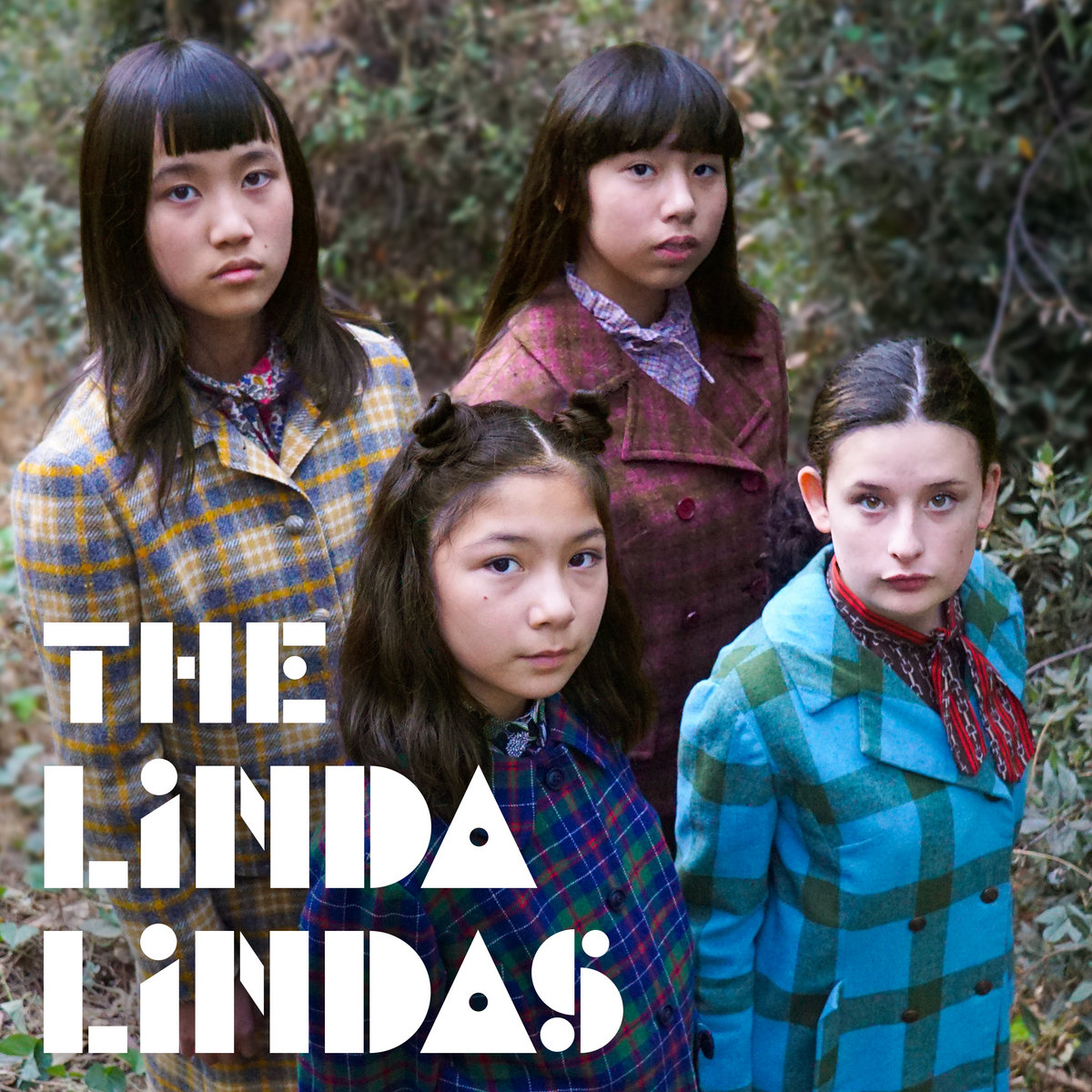
 In an era where algorithms dominate playlists, and musical virality can be measured in TikTok snippets, one punk band has captured the world’s attention through sheer authenticity, raw energy, and a refreshing sense of purpose. Enter The Linda Lindas—a band made up of four young women of color who have managed to reignite punk’s rebellious spirit with an inspiring blend of youthful exuberance and pointed social commentary.
Since their formation, The Linda Lindas have been carving out a space for themselves in a music scene that rarely makes room for young, female-fronted, and multicultural punk bands. With roots that run deep into the heart of Los Angeles’ underground scene and influences that range from Bikini Kill to The Go-Go’s to The Clash, The Linda Lindas are more than just a viral sensation—they’re the real deal, and they’re here to stay.
Beginnings: Punk in the Bloodstream
The Linda Lindas were formed in 2018 almost by accident—yet entirely by design. The original lineup came together when they were asked to play at a Girlschool LA music festival. Mila de la Garza (drums), her sister Lucia de la Garza (guitar), Eloise Wong (bass), and their close friend Bela Salazar (guitar) had been playing music informally, largely through family connections and music education programs. When the opportunity came, they jumped at it—choosing the name “The Linda Lindas” as a nod to the 2005 Japanese film Linda Linda Linda, itself a story about a high school girl punk band.
What began as a fun side project quickly grew into something much bigger. From their earliest gigs at DIY venues and libraries to their opening slot for riot grrrl legends Bikini Kill in 2019, The Linda Lindas were clearly onto something special. Their infectious energy, sincere lyrics, and raw performance style connected with audiences across generations.
A Viral Moment that Changed Everything
While The Linda Lindas had already started turning heads in punk circles, their breakout moment came in May 2021. In a performance recorded live at the Los Angeles Public Library, they performed a song called “Racist, Sexist Boy.” Eloise Wong, who co-wrote the song with her bandmates, introduced it by explaining that it was inspired by a racist comment made by a classmate.
The performance was a lightning bolt—furious, catchy, and emotionally charged. The video quickly went viral, shared widely by celebrities, musicians, activists, and ordinary fans alike. Overnight, The Linda Lindas became global punk icons.
But the success wasn’t just about the song’s message or the novelty of young girls delivering it. It was the clarity and conviction behind the performance. In an age where musical activism can feel performative, The Linda Lindas felt authentic and fearless.
Signing with Epitaph and Releasing Growing Up
In 2021, The Linda Lindas signed with the legendary Epitaph Records, home to punk icons like Bad Religion, Rancid, and The Offspring. Their debut full-length album, Growing Up, was released in 2022 to widespread acclaim.
The title track, “Growing Up,” is emblematic of the album’s theme: a chronicle of adolescence filtered through the lens of punk rock. Whether they’re tackling the anxiety of growing older, the discomfort of navigating friendships, or broader societal issues, the band maintains a sonic cohesion that balances melody with power.
Songs like “Talking to Myself” and “Nino” (about Bela’s cat) showcase their eclectic influences—from pop-punk to garage rock, with touches of surf and new wave. The lyrics feel both specific and universal, perfectly encapsulating the emotional turbulence of teen life without ever talking down to their audience.
Growing Up was hailed by critics not just for its songwriting and tight musicianship, but for its cultural significance. Here was a band rewriting the narrative of who gets to make punk music, and what that music can sound like.
A Band of Individual Strengths
Part of what makes The Linda Lindas so compelling is the way each member brings her own identity, influences, and strengths to the table:
-
Eloise Wong (bass, vocals) is the daughter of Martin Wong, co-founder of the influential Asian-American arts magazine Giant Robot. Her sharp wit and emotional depth often shine in the band’s more pointed songs, such as “Racist, Sexist Boy.”
-
Lucia de la Garza (guitar, vocals) and Mila de la Garza (drums, vocals) are sisters, and their familial bond is a big part of the group’s chemistry. Lucia often provides soaring vocal harmonies and strong guitar melodies, while Mila’s drumming—especially for someone so young—is precise, energetic, and foundational.
-
Bela Salazar (guitar, vocals) has a background in classical guitar, which occasionally finds its way into the band’s arrangements, adding a subtle layer of sophistication to their otherwise rough-edged punk sound.
Each member shares lead vocal duties and contributes to songwriting, creating a democratic dynamic rarely seen in bands of any age, much less one composed entirely of teenagers.
A Voice for a New Generation
While their music is often playful and fun, The Linda Lindas don’t shy away from serious topics. Whether they’re calling out racism, lamenting the effects of COVID-era isolation, or simply documenting the trials of growing up, their lyrics are always rooted in real experience.
Their very existence as a band made up of Asian-American and Latinx girls is political, even if they didn’t set out with an explicitly activist agenda. In a time of increased violence and discrimination against Asian-Americans, The Linda Lindas became a rallying point—a band that wasn’t afraid to speak up, and do so loudly.
But perhaps even more powerful than their message is their mere presence. They provide visibility for young women of color in punk, a genre often dominated by white male voices. They’re not just punk for the next generation—they’re punk of the next generation.
Influences and Legacy
The Linda Lindas wear their influences proudly. You can hear echoes of riot grrrl bands like Bikini Kill and Bratmobile, but also the melodic punk of The Ramones, the quirky wit of The Go-Go’s, and the raw power of Sleater-Kinney. Their music is a continuation of those legacies, but it’s also something uniquely their own.
They’re not just standing on the shoulders of giants—they’re building new ladders for others to climb. For young girls picking up guitars for the first time, especially girls of color, The Linda Lindas represent a future that seemed impossible just a few years ago.
Their journey also nods to a broader trend in music: the return of punk’s DIY roots. In a hyper-polished pop landscape, the stripped-down honesty of The Linda Lindas feels like a breath of fresh air. They don’t need auto-tune, a choreographed dance routine, or million-dollar production—just instruments, passion, and a message.
Beyond the Buzz: Sustaining the Momentum
Many bands have a viral moment. Few can translate that into sustained success. But The Linda Lindas appear poised to do just that.
They’ve played festivals like Coachella, shared stages with punk legends, and been featured in Rolling Stone, NPR, and The New York Times. They’ve collaborated with Amy Poehler and appeared in the Moxie soundtrack. Their music has appeared on Netflix series and commercials. Yet none of this has changed their ethos.
They still rehearse in garages, still prioritize schoolwork when needed, and still act like a band of friends who just really love playing music. Fame hasn’t diluted their message or their sound.
As they continue to grow—both musically and literally—it’s exciting to imagine where their journey will take them. Will their next record be more experimental? Will they tour globally? Will they inspire a new punk movement centered around youth, inclusion, and DIY ethics? The answers are unknown, but the possibilities are thrilling.
Conclusion: The Future Is Loud
The Linda Lindas are more than a novelty, more than a viral clip, and more than a great punk band “for their age.” They’re a great band—period.
They’ve injected new life into punk, a genre that has often struggled to reinvent itself. They’ve given voice to experiences rarely heard in mainstream rock. They’ve created space, not just for themselves, but for countless others watching and thinking, I could do that too.
At a time when authenticity is rare and cynicism is easy, The Linda Lindas remind us of music’s power to inspire, unite, and provoke. They are a call to action, a burst of joy, and a punch in the gut—all at once.
And they’re just getting started.
Track Highlights from The Linda Lindas’ Growing Discography:
-
“Racist, Sexist Boy” – The incendiary anthem that made the world take notice.
-
“Growing Up” – A bittersweet ode to adolescence that perfectly captures the band’s melodic punk ethos.
-
“Oh!” – One of their catchiest tracks, showcasing a more pop-punk side.
-
“Talking to Myself” – An introspective rocker about inner dialogue and self-doubt.
-
“Nino” – A love letter to Bela’s cat, as quirky and heartfelt as punk gets.
-
“Why” – An existential punk blast questioning everything with unrelenting urgency.
Whether you’re a longtime punk fan or just discovering the genre, The Linda Lindas are a reminder of why punk matters—and why it always will. Youthful? Yes. Feminist? Absolutely. Punk as hell? You better believe it.
Turn up the volume. The Linda Lindas have something to say.