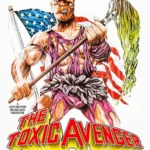
 Independent filmmaking has produced countless cult classics over the decades, but few have left a mark quite like The Toxic Avenger. Released in 1984, this outrageous blend of horror, comedy, action, and satire transformed what could have been another forgotten exploitation film into the flagship franchise of Troma Entertainment. Packed with over-the-top violence, bizarre humor, and an unlikely superhero, the movie became one of the defining cult films of the 1980s.
What began as a low-budget production aimed at midnight movie audiences eventually grew into a multimedia phenomenon that spawned sequels, cartoons, comic books, stage productions, video games, merchandise, and a devoted fan base that continues to celebrate the film decades after its release.
While The Toxic Avenger certainly isn’t for everyone, its unapologetic style and infectious enthusiasm have earned it a permanent place in cult movie history.
A Hero Born from Toxic Waste
At its core, The Toxic Avenger tells a classic underdog story—but with an outrageous twist.
The film follows Melvin Ferd Junko III, a timid, awkward janitor working at the Tromaville Health Club. Melvin is constantly bullied by a gang of cruel gym members who take sadistic pleasure in humiliating anyone weaker than themselves. Their pranks escalate until one disastrous encounter sends Melvin crashing through a window and into a drum of glowing toxic waste.
Instead of dying from the exposure, Melvin undergoes a grotesque transformation.
His body mutates into a towering, muscular creature with superhuman strength, hideously burned skin, and an overwhelming desire to fight evil. Although his appearance becomes monstrous, his heart remains pure. Armed with little more than incredible strength and a trusty mop, Melvin adopts a new identity as the Toxic Avenger and begins cleaning up the crime-ridden streets of Tromaville.
It’s an origin story unlike any other, mixing comic book tropes with gruesome horror effects and absurd comedy.
The Birth of Troma’s Signature Style
Before The Toxic Avenger, Troma Entertainment had already built a reputation for producing low-budget comedies and exploitation films. Founded by Lloyd Kaufman and Michael Herz, the company specialized in independent productions that ignored Hollywood conventions in favor of outrageous creativity.
The Toxic Avenger became the film that defined everything audiences would come to associate with Troma.
The movie embraces excess at every opportunity. The violence is exaggerated to cartoonish levels. The humor swings between slapstick and satire. The acting is intentionally larger than life, while the practical effects prioritize creativity over realism.
Rather than trying to compete with major studios, Kaufman leaned into the limitations of independent filmmaking. The modest budget forced the production team to rely on imagination, practical makeup, and sheer enthusiasm instead of expensive special effects.
That homemade charm became one of the film’s greatest strengths.
Lloyd Kaufman’s Unique Vision
Director Lloyd Kaufman has always approached filmmaking differently than most Hollywood directors.
His movies often blend genres in unpredictable ways while poking fun at politics, environmental issues, consumer culture, and the entertainment industry itself. The Toxic Avenger is filled with outrageous moments, but beneath the gallons of fake blood lies a surprisingly sharp satirical edge.
The fictional town of Tromaville is portrayed as a place where corruption has become normal. Criminals operate openly, greedy officials ignore the suffering of ordinary citizens, and violence seems almost routine. Against this backdrop, the Toxic Avenger becomes an unlikely symbol of justice.
Kaufman’s willingness to embrace absurdity without apology helped establish his reputation as one of independent cinema’s true originals.
Practical Effects That Defined an Era
One of the film’s biggest attractions remains its extensive use of practical effects.
Long before computer-generated imagery became common, horror filmmakers relied on makeup artists, prosthetics, squibs, fake blood, and creative camera work to bring their monsters to life.
The Toxic Avenger’s appearance is both grotesque and strangely endearing. His burned skin, misshapen face, and glowing features make him look like a creature straight out of a comic book nightmare, yet audiences quickly begin rooting for him.
The film’s violent scenes are equally memorable.
Heads are crushed, limbs are severed, bodies are mangled, and explosions send fake body parts flying across the screen. Everything is exaggerated to such ridiculous extremes that the violence becomes almost surreal rather than genuinely disturbing.
Fans of practical makeup effects continue to appreciate The Toxic Avenger as a showcase for old-school filmmaking techniques that relied on craftsmanship instead of computers.
Equal Parts Horror and Comedy
Although often classified as a horror movie, The Toxic Avenger refuses to stay within any single genre.
The film constantly shifts between horror, comedy, superhero adventure, romance, and satire.
One moment audiences witness gruesome violence, while the next features slapstick comedy or surprisingly heartfelt romance between the Toxic Avenger and his blind girlfriend, Sarah.
This unpredictable tone helps explain why the movie has remained popular for so long.
Rather than following traditional storytelling rules, Kaufman embraces chaos. The movie feels almost like a live-action comic book where every page introduces another bizarre surprise.
That willingness to constantly surprise viewers makes repeat viewings especially rewarding.
A Surprisingly Lovable Monster
Despite his frightening appearance, the Toxic Avenger quickly becomes one of cinema’s most lovable monsters.
Melvin’s transformation changes his body but not his personality. He remains compassionate, kind-hearted, and deeply committed to helping others. Unlike many horror creatures, the Toxic Avenger only becomes violent when confronting criminals and bullies.
His choice of weapon—a simple mop—perfectly reflects his humble origins as a janitor.
Instead of carrying high-tech gadgets or military equipment, he uses whatever happens to be available, reinforcing the film’s underdog appeal.
This contrast between terrifying appearance and heroic personality gives the character an unexpected emotional depth beneath all the outrageous humor.
Environmental Themes Hidden Beneath the Madness
While The Toxic Avenger never pretends to be subtle, environmental concerns play an important role throughout the story.
The toxic waste responsible for Melvin’s transformation serves as both a plot device and a commentary on pollution. During the 1980s, growing public awareness about hazardous waste disposal made environmental disasters an increasingly common topic in popular culture.
The film exaggerates those fears to absurd levels.
Instead of simply poisoning someone, the chemicals create a mutant superhero capable of cleaning up society in more ways than one.
Although audiences primarily remember the outrageous violence and comedy, the environmental message remains woven into the film’s DNA.
From Box Office Struggle to Cult Phenomenon
When The Toxic Avenger first appeared in theaters, success did not come immediately.
Many distributors had difficulty marketing such an unusual film. Its combination of graphic violence, broad comedy, and superhero elements confused audiences expecting a more traditional horror movie.
Home video changed everything.
As VHS rentals exploded throughout the late 1980s, the movie found exactly the audience it needed. Fans recommended it to friends, video store employees championed it as a hidden gem, and midnight screenings introduced new viewers to Tromaville’s bizarre world.
Word of mouth slowly transformed the movie into one of the defining cult films of its generation.
Its reputation grew steadily, proving that originality often finds its audience eventually.
Expanding into a Franchise
The popularity of The Toxic Avenger surprised nearly everyone involved.
Rather than fading into obscurity, the character became Troma’s mascot and inspired an expanding franchise that continues to this day.
Several sequels followed, each pushing the series’ absurdity even further. The Toxic Avenger also appeared in comic books, action figures, trading cards, and even a children’s animated television series called Toxic Crusaders.
The cartoon significantly toned down the violence while retaining the environmental themes and superhero action, introducing an entirely new generation to the character.
It remains one of the most unusual examples of an R-rated horror film inspiring family-friendly entertainment.
Influence on Independent Filmmaking
Few independent films have had as much influence on aspiring filmmakers as The Toxic Avenger.
Its success demonstrated that passion and creativity could overcome financial limitations. Countless directors cite Troma productions as early inspirations because they proved movies didn’t require enormous budgets to leave lasting impressions.
Troma itself became an unofficial film school.
Many future industry professionals gained valuable experience working on Troma productions before moving on to larger Hollywood projects. The company’s willingness to give newcomers opportunities helped launch numerous careers in directing, acting, writing, and special effects.
Lloyd Kaufman’s emphasis on hands-on filmmaking continues to inspire independent creators looking to tell unconventional stories outside the traditional studio system.
Why The Toxic Avenger Still Matters
Watching The Toxic Avenger today is like stepping into a completely different era of filmmaking.
Modern superhero movies often cost hundreds of millions of dollars and rely heavily on digital effects. By comparison, The Toxic Avenger feels wonderfully handmade.
Every prosthetic, explosion, and outrageous stunt reflects the creativity of filmmakers determined to entertain audiences regardless of budget constraints.
The film also represents a time when independent cinema could be genuinely unpredictable. Viewers never know exactly what outrageous scene might appear next, and that unpredictability remains one of its greatest strengths.
Its blend of satire, horror, comedy, and superhero action has influenced countless cult filmmakers over the years.
More importantly, the movie never loses sight of its central message.
At heart, Melvin is still the same kind-hearted underdog who simply wants to help people. His transformation reminds audiences that true heroism isn’t determined by appearance but by character. Wrapped inside gallons of fake blood and outrageous comedy is a surprisingly optimistic story about standing up to bullies, protecting the innocent, and making the world a better place.
That sincerity helps explain why the Toxic Avenger has endured while many other exploitation films from the era have faded into obscurity.
Forty years after its release, The Toxic Avenger remains unlike anything else in horror or superhero cinema. It is crude, messy, excessive, hilarious, shocking, and undeniably original. Whether viewers discover it through Troma’s extensive catalog, a midnight movie screening, or simple curiosity about cult cinema, they quickly understand why this bizarre mutant janitor became one of independent film’s most recognizable heroes.
The Toxic Avenger may not wear a cape or save the world on a massive scale, but he represents something just as important: proof that imagination, enthusiasm, and fearless creativity can turn even the strangest idea into a lasting cult classic.