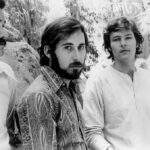
 When people think of the great rock bands of the 1970s, names like Fleetwood Mac, Led Zeppelin, The Eagles, Pink Floyd, and Queen usually dominate the conversation. Yet another group quietly built one of the most impressive catalogs of hit songs of the decade without attracting the same lasting recognition.
That band was Bread.
With their gentle melodies, heartfelt lyrics, and polished harmonies, Bread became one of the defining acts of the soft rock era. Between 1970 and 1977, they produced a remarkable string of chart hits, sold millions of records worldwide, and helped shape the sound of adult contemporary radio for decades to come.
Today, many younger listeners recognize songs like “Make It with You,” “If,” “Baby I’m-a Want You,” and “Everything I Own” without realizing they all came from the same band. Despite their enormous success, Bread often receives far less attention than many of their contemporaries, making them one of the most overlooked groups of the classic rock era.
The Formation of Bread
Bread was formed in Los Angeles in 1968 by songwriter, singer, and guitarist David Gates, along with guitarist Jimmy Griffin, keyboardist Robb Royer, and drummer Mike Botts.
Unlike many bands that developed through years of touring clubs together, Bread was built around experienced studio musicians and accomplished songwriters.
David Gates had already established himself as a successful songwriter before forming the band. He had written songs for artists including Glen Campbell and had developed a reputation for crafting memorable melodies with emotional depth.
Jimmy Griffin also brought impressive songwriting credentials, giving Bread two talented composers capable of producing radio-friendly material.
That combination would become one of the band’s greatest strengths.
A Slow Start
Bread released its self-titled debut album in 1969.
Although critics appreciated the musicianship, commercial success didn’t arrive immediately.
The album produced only modest attention, and the group remained largely unknown outside the Los Angeles music scene.
Everything changed with their second album.
Released in 1970, On the Waters included a song that would permanently alter the band’s career.
“Make It with You”
“Make It with You” became Bread’s breakthrough hit.
Built around David Gates’ warm vocals and a simple acoustic arrangement, the song climbed to No. 1 on the Billboard Hot 100.
It perfectly captured the band’s strengths.
Beautiful melody.
Gentle instrumentation.
Romantic lyrics.
Unlike the louder rock music dominating many FM stations, Bread offered intimacy rather than spectacle.
Listeners connected immediately.
The song became one of the signature love songs of the decade and introduced millions of people to the band’s distinctive sound.
Defining Soft Rock
Although labels can sometimes oversimplify music, Bread helped define what became known as soft rock.
Their songs blended folk, pop, country, and rock influences into polished recordings centered around strong songwriting.
Acoustic guitars often took center stage.
Piano arrangements added warmth.
Vocal harmonies remained smooth and understated.
Rather than emphasizing technical virtuosity or extended solos, Bread focused on emotional honesty.
The music felt personal.
Listeners often described the songs as comforting, reflective, and sincere.
Those qualities made Bread enormously popular on AM radio during the early 1970s.
Hit After Hit
Following the success of “Make It with You,” Bread entered one of the most productive periods of any American band during the decade.
They released an extraordinary run of hit singles.
“If.”
“Baby I’m-a Want You.”
“Diary.”
“Everything I Own.”
“The Guitar Man.”
“Sweet Surrender.”
“Aubrey.”
“It Don’t Matter to Me.”
Each demonstrated exceptional songwriting while remaining immediately accessible.
Unlike many artists known for only one or two hits, Bread consistently produced songs that found large audiences.
Their albums also performed well commercially, with releases like Manna, Baby I’m-a Want You, and Guitar Man earning strong sales throughout North America and internationally.
David Gates Takes Center Stage
As Bread’s popularity grew, so did internal tensions.
David Gates wrote many of the band’s biggest hits and naturally became its public face.
While Jimmy Griffin also contributed outstanding songs, Gates’ compositions generally received greater commercial attention.
That imbalance gradually created frustration within the group.
Creative disagreements emerged regarding songwriting, album direction, and leadership.
Although audiences saw Bread as a unified band, conflicts behind the scenes made maintaining that unity increasingly difficult.
“Everything I Own”
Among Bread’s finest songs is “Everything I Own.”
Many listeners initially interpreted it as a romantic love song.
In reality, David Gates wrote it as a tribute to his late father.
That personal inspiration gives the song remarkable emotional depth.
Its universal message about gratitude, love, and loss has resonated with generations of listeners.
The song later became an international hit for other artists as well, including Ken Boothe’s reggae version, introducing Gates’ songwriting to entirely new audiences.
“The Guitar Man”
Released in 1972, “The Guitar Man” demonstrated another side of Bread.
While maintaining the group’s melodic style, the song celebrated the life of a traveling musician.
Featuring memorable guitar work by legendary session player Larry Knechtel, who had by then become an official member of Bread, the track remains one of the band’s most enduring recordings.
Its reflective lyrics about performing, traveling, and pursuing music continue connecting with artists and fans alike.
The Breakup
Despite continued commercial success, tensions eventually became too great.
Bread initially broke up in 1973.
David Gates pursued a solo career.
Jimmy Griffin continued writing and recording.
The band reunited briefly in 1976, releasing another album before disbanding again.
Although fans hoped for additional reunions, the group’s internal conflicts largely prevented long-term collaboration.
Over time, the members followed separate musical paths while their recordings continued finding new audiences.
The Songwriters Behind the Success
One reason Bread’s music has aged so well is its songwriting.
David Gates possessed an extraordinary ability to write melodies that sounded familiar after a single listen.
Jimmy Griffin contributed emotionally rich compositions that broadened the band’s catalog.
Together, they produced songs that avoided unnecessary complexity while remaining deeply memorable.
The arrangements never overwhelmed the lyrics.
Every musical decision served the song itself.
That craftsmanship explains why Bread’s recordings continue receiving regular radio play more than fifty years later.
An Influence on Future Artists
Although Bread isn’t always mentioned alongside rock’s biggest names, their influence extends across multiple genres.
Adult contemporary artists borrowed their polished production.
Country musicians admired their storytelling.
Singer-songwriters appreciated their emotional directness.
Soft rock acts throughout the 1970s and 1980s built upon foundations Bread helped establish.
Even modern indie artists occasionally cite David Gates’ songwriting as an inspiration for creating intimate, melody-driven music.
Why Bread Became Overlooked
Several factors contributed to Bread’s gradual disappearance from mainstream discussions of classic rock.
First, musical tastes shifted.
During the late 1970s and 1980s, harder rock, punk, and new wave dominated critical attention.
Soft rock became unfairly dismissed by some reviewers despite its enormous popularity.
Second, Bread lacked the dramatic public image associated with many superstar bands.
There were no elaborate stage shows.
Few headline-grabbing controversies.
No outrageous personalities dominating magazine covers.
Instead, they simply wrote excellent songs.
Ironically, that quiet professionalism may have contributed to their relative absence from rock history conversations.
Rediscovering Bread
In recent years, Bread has experienced renewed appreciation.
Streaming services have introduced their music to younger audiences.
Classic hits playlists regularly feature their biggest songs.
Television, film, and commercials continue using tracks like “If” and “Everything I Own,” exposing new generations to their timeless sound.
Listeners often discover one familiar song before realizing just how many classics Bread recorded.
That realization frequently leads to a deeper exploration of one of the finest song catalogs of the 1970s.
More Than Just a Soft Rock Band
Labeling Bread as simply a soft rock group doesn’t fully capture their achievements.
They were exceptional craftsmen.
Outstanding songwriters.
Talented musicians.
Masters of subtle arrangements.
Their music proved that emotional vulnerability could be just as powerful as volume or technical complexity.
Rather than competing to be the loudest band on the radio, Bread focused on writing songs people would remember for a lifetime.
The Legacy of Bread
Bread may never receive the same level of attention as some of the era’s arena-filling rock giants, but their legacy is undeniable. Their songs have stood the test of time, continuing to appear on radio stations, streaming playlists, movie soundtracks, and wedding playlists around the world.
David Gates’ remarkable songwriting, combined with the contributions of Jimmy Griffin, Robb Royer, Mike Botts, and later Larry Knechtel, created a body of work that remains among the finest examples of melodic pop-rock ever recorded. Their music captured universal emotions with elegance and sincerity, proving that simplicity and heartfelt performances could leave a lasting impact.
For anyone willing to look beyond the biggest names of the 1970s, Bread offers an extraordinary listening experience. Their albums are filled with beautifully crafted songs that balance tenderness, musicianship, and unforgettable melodies. They may have been overshadowed by louder bands and flashier performers, but their music continues to resonate more than half a century later.
In the end, Bread wasn’t just one of the great soft rock bands—they were one of the great songwriting bands of their generation. Their catalog deserves to be remembered not as a nostalgic footnote, but as an essential chapter in the history of American popular music.