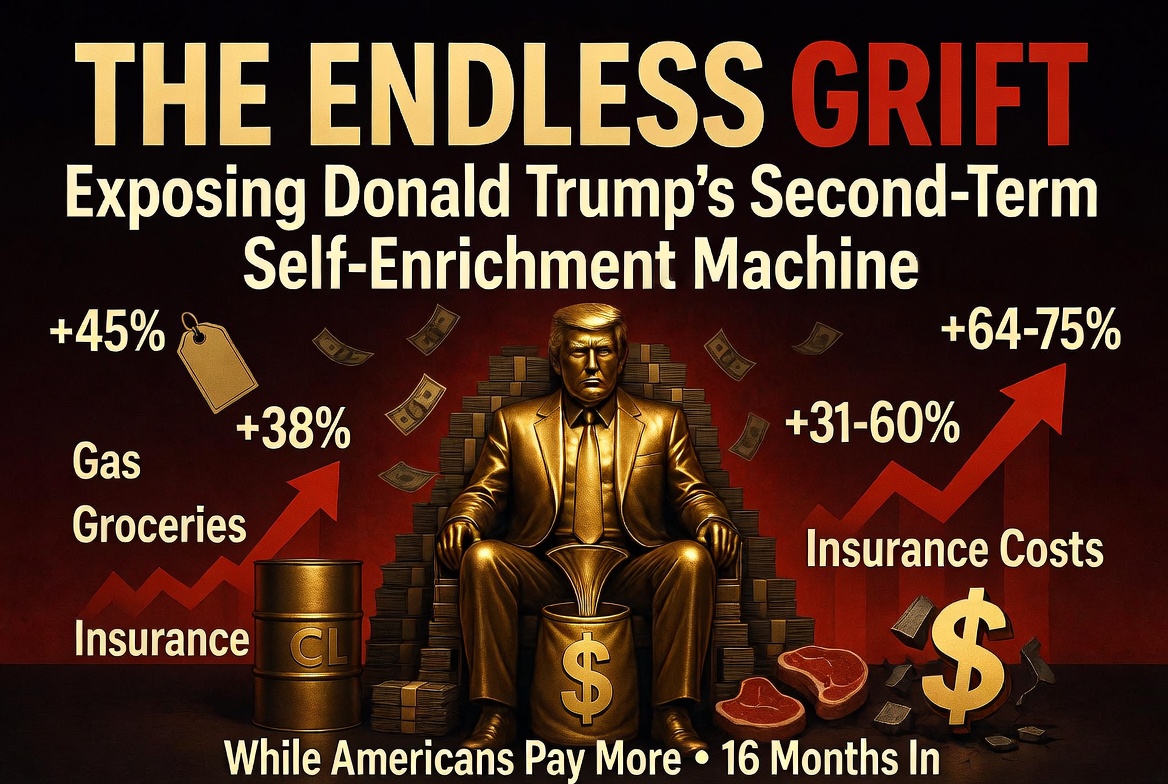
Donald Trump’s second term has devolved into what critics describe as one of the most brazen eras of presidential self-dealing in American history. Promises of fiscal responsibility and “draining the swamp” have given way to taxpayer-funded luxuries, legally dubious settlements funneled to supporters, family crypto schemes that allegedly rug-pulled billions from supporters, and apparent insider plays across markets. From stolen ballroom funds to million-dollar payouts for January 6 participants, the pattern is clear: public resources and supporter enthusiasm converted into personal and political gain.
The White House Ballroom Heist: Taxpayer Money Redirected
Trump repeatedly vowed his massive new White House ballroom would cost “not one dime” of taxpayer money. Yet Senate Republicans pushed $1 billion in federal funding for “East Wing Modernization” and security upgrades explicitly tied to the project. Despite claims of private donor funding, reports indicate significant portions of raised or allocated resources have been diverted. Critics allege zero of the promised private commitments materialized for the core project, with funds redirected to personal Trump properties, including enhancements at Doral and even his future presidential library. The Senate parliamentarian ultimately blocked parts of the taxpayer funding push on procedural grounds, but the episode underscores blurred lines and broken promises on public vs. private spending.
This is classic Trump: hype a vanity project, solicit donors under official pretenses, then shift resources to personal empire-building.
The IRS “Lawsuit” Scam and the $1.8 Billion January 6 Slush Fund
Trump sued the IRS for $10 billion over the leak of his tax returns — a leak carried out by a rogue third-party contractor, not the agency itself. The case was widely mocked as frivolous, especially since a president was suing agencies under his own control.
Enter Todd Blanche — Trump’s former personal lawyer, now Acting Attorney General. Blanche handled both sides: defending the government while negotiating the settlement. In a stunning resolution, Trump dropped the suit in exchange for the creation of a $1.776–$1.8 billion “Anti-Weaponization Fund.” This taxpayer money is designed to compensate alleged victims of “lawfare,” with reports indicating it heavily targets January 6 defendants and Trump allies. Claims suggest many participants are receiving payouts approaching $1 million each for legal fees, losses, or other claims — all from public coffers.
The IRS had no direct role in the leak, yet taxpayers foot the bill for what opponents call a direct reward system for loyalty and riot-related legal troubles. Ethics experts decry the blatant conflict of interest.
The Qatar “Gift” Plane: Hundreds of Millions (or Billions) in Hidden Taxpayer Costs
Trump accepted a $400 million luxury Boeing 747-8 from Qatar. While marketed as free, retrofitting it for presidential use — secure comms, defenses, refueling — falls squarely on U.S. taxpayers. Estimates started at $400 million but ballooned toward $750 million–$1.5 billion, with funds reportedly diverted from nuclear modernization programs. Critics call it a foreign influence operation with Americans paying for Trump’s flying palace, potentially destined later for his library.
Merchandise Rip-Offs: Shoes, Phones, and Supporter Losses in the Millions
Trump’s branded products have consistently left buyers disappointed. The $399 “Never Surrender” gold sneakers generated hype but faced quality complaints, delays, and counterfeits. Many fans paid premium prices for items that underdelivered.
The Trump Mobile T1 “gold” phone was worse: hundreds of thousands paid $100 deposits (tens of millions total), only to face endless delays, subpar rebranded Chinese hardware, refund hassles, and non-deliveries. Cumulative losses for supporters run into the millions, while Trump entities collected upfront cash through hype. These ventures exemplify extracting money from the base with minimal accountability.
Crypto Rug Pulls: Family Wins, Retail Loses Billions
The Trump family’s crypto push — $TRUMP memecoin, World Liberty Financial, Melania coins, and more — followed a familiar pump-and-dump trajectory. Early insiders and the family reportedly pocketed tens to hundreds of millions in fees and timed sales. Meanwhile, Chainalysis tracked over 800,000 wallets losing a collective ~$2 billion (some analyses higher) as tokens crashed 90%+ from peaks. Hype from presidential events and endorsements drove retail FOMO, followed by steep declines. Critics label these textbook rug pulls, with the presidency supercharging family wealth extraction from supporters.
Oil “Manipulation,” Kalshi Insider Trading, and Family Timing
Suspicious trading preceded major Trump announcements on Iran and oil policy. Massive futures bets — hundreds of millions — appeared minutes before statements that moved markets, prompting CFTC scrutiny. On prediction platform Kalshi, perfectly timed bets on outcomes like oil price drops or conflict pauses raised obvious red flags. No average trader consistently nails such precision in five-minute windows; speculation points to insider access, including possible family circles. Donald Trump Jr.’s advisory roles at Kalshi and Polymarket only heightened conflict concerns.
The absolute worst. I mean THE WORST was this.
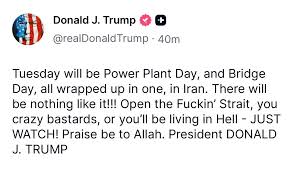
There was a major bet put on Kalsi that Trump would say “Pride Be To Allah” on Easter.
Someone. Placed a $800- bet that trump would praise Allah on Eater. That bet $800 bet make $6.4 million
Jared Kushner’s War-and-Peace Profiteering
Kushner’s Affinity Partners already secured $2 billion+ from Saudi PIF and hundreds of millions from Qatar/UAE. While engaged in second-term “diplomacy” on Iran and Gaza, he’s reportedly seeking another $5 billion from the same Gulf sources. Reports highlight Kuwait providing $600 million tied to expectations of U.S. protection and favorable policy. Critics see direct pay-to-play: using official influence to line family pockets under the guise of peace efforts.
PACs: Donor Money Funneled Back to Trump World
Trump PACs raised hundreds of millions. Instead of broad electoral use, large sums covered legal bills, operations, events, and strategic transfers benefiting Trump-adjacent entities. Donors allegedly seeking pardons or access poured in cash, with limited transparency on ultimate destinations. This ecosystem turns political donations into a personal and legal war chest.
Stock Portfolio Pumping: Intel, Dell, and Aggressive Trading
Disclosures showed Trump executing thousands of trades, with heavy positions in tech and defense stocks like Intel, Dell, Nvidia. Purchases and statements often preceded policy moves or endorsements that boosted share prices, generating massive paper gains. Average investors lack such apparent timing advantages.
The Big Picture: A Presidency for Profit
From ballroom fund diversions and the Blanche-brokered IRS-to-Jan-6 pipeline, to crypto crashes, merch flops, market timing, and Kushner fundraising amid foreign policy — the second Trump term stands accused of institutionalizing grift. Taxpayers bear retrofit costs and billion-dollar funds; supporters lose on sneakers, phones, and tokens; family and allies gain. Investigations continue, but accountability remains elusive in a polarized environment.
This is the “crazy stuff” — not isolated missteps, but a systemic machine converting the presidency into personal revenue. The American public deserves better than endless extraction disguised as leadership.
\
Hypocrisy at the Helm: How Donald Trump’s Second Term Redefined Fraud, Waste, and Abuse
Donald Trump campaigned on a promise to eliminate government waste, fraud, and abuse. He positioned himself as the ultimate outsider who would slash bureaucracy, cut unnecessary spending, and put America First with fiscal discipline. Yet in his second term, Trump has presided over some of the most extravagant, poorly managed, and self-serving expenditures in modern presidential history. From vanity projects with massive cost overruns to billion-dollar bailouts favoring foreign interests, trillion-dollar defense wish lists, and questionable fund transfers, the gap between rhetoric and reality is staggering. This article examines the record based on documented projects, budgets, and outcomes as of mid-2026.
The Lincoln Memorial Reflecting Pool Makeover: Taj Mahal Aspirations on the National Mall
One of the most symbolic examples of Trump-era waste is the renovation of the Lincoln Memorial Reflecting Pool. Trump personally championed painting the pool a striking “American flag blue” to give it a more majestic appearance, reportedly inspired by the opulence of the Taj Mahal. No broad public or expert consensus called for such an aesthetic overhaul; the pool primarily needed practical repairs for leaks and maintenance.
Trump initially promised the project would cost around $1.8 million. Federal records now show the price tag has ballooned to $13.1 million — more than seven times the original estimate. The Interior Department awarded a no-bid contract to a company with prior work on Trump properties, citing the need for speed ahead of the nation’s 250th anniversary celebrations. Critics and lawsuits argue the process bypassed standard competitive bidding and environmental reviews. Additional upgrades tied to the project include $3 million in updates to the Lincoln Memorial itself.
This small-scale vanity project exemplifies a larger pattern: presidential directives driving up costs for personal or branding preferences, with taxpayers footing the bill for overruns.
Kennedy Center Renovations: Luxury Imports at Taxpayer Expense
Trump’s overhaul of the John F. Kennedy Center for the Performing Arts has drawn similar scrutiny. Plans include importing high-grade marble from Africa, with finishing work done in Italy, at an estimated cost exceeding $400 million in materials and logistics alone (part of broader renovation packages nearing or surpassing $200–257 million in federal commitments). Trump described the revamp as creating “the highest-grade everything,” closing the center for extended periods.
While the center needed maintenance, the scale of luxury imports and foreign processing has been slammed as unnecessary extravagance, especially amid domestic infrastructure needs. This stands in sharp contrast to Trump’s past criticisms of wasteful government spending on cultural projects.
Argentine Beef Bailout and U.S. Farm Fallout
In a move that stunned American agricultural communities, the Trump administration committed $20 billion to bail out Argentina’s beef industry and stabilize its economy under ally Javier Milei. This included direct aid and expanded import allowances. When U.S. producers struggled to compete with the influx of cheaper Argentine beef, the administration followed up with a $2.3 billion bailout for domestic ranchers.
Reports indicate that roughly 38% of local U.S. farms (particularly smaller operations) have faced severe distress or gone out of business amid market disruptions, trade policy ripple effects, and input cost pressures. Critics argue this sequence—foreign bailout first, domestic patch second—represents classic waste: spending tens of billions to prop up overseas competitors while American agriculture suffers.
Exploding National Debt and Spending Spree
Trump frequently attacked previous administrations for fiscal irresponsibility. Yet under his second term:
- In the last 14 months, new debt has accounted for approximately 28% of the total national debt growth in recent periods.
- In less than nine months, the administration oversaw spending approaching $2.9 trillion — surpassing what some analyses claim any single four-year presidential term (including Biden’s) achieved in raw outlays.
- The national debt has surged past $38–39 trillion, with rapid accumulation continuing.
These figures reflect tax policies, defense increases, bailouts, and supplemental requests amid economic and geopolitical pressures.
The Iran Conflict: $210 Billion and Counting?
Military operations and related costs tied to tensions and conflict with Iran have reportedly reached $210 billion so far. For context, critics note this dwarfs hypothetical universal healthcare proposals estimated at far lower annual figures (around $135 billion in some scaled plans). Supplemental requests for the conflict have been massive, adding to deficit pressure.
Tariff Refunds: $175 Billion Back to Corporations
Following legal challenges (including a Supreme Court ruling on tariff authorities), the government faces $175 billion in potential refunds to importers and companies that paid tariffs. Reports indicate 100% of these refunds flow to businesses, with zero direct rebates to American consumers who bore higher prices. This represents a massive reversal of collected revenue, further straining budgets.
National Guard Deployments: $700 Million for Hotel Stays
The administration deployed National Guard units to various cities to address immigration, crime, and unrest. Costs have hit $700 million, with troops often housed in hotels, reportedly with limited operational impact in some locations — “sitting around watching TV” according to accounts. Deployments targeted cities with migrant or protest issues but yielded mixed results on enforcement, drawing criticism as performative and wasteful.
$3 Trillion Navy “Trump Ships” and the Golden Dome
Trump’s defense priorities include massive shipbuilding under the “Golden Fleet” concept, with plans extending purchases into 2035. The Navy has reportedly expressed concerns that designs aren’t fully capable yet, yet commitments approach $3 trillion in long-term spending.
Compounding this, the administration transferred $2 billion ($1.5 billion from Defense, $500 million reportedly involving Social Security reallocations) toward the “Golden Dome” missile defense system. Even the Department of Defense has questioned aspects of its feasibility and effectiveness, with independent estimates for the full system running into the trillions over time.
The Triumphal Arch at Arlington: Blocked $250 Million Vanity Monument
Trump pushed for a massive “Triumphal Arch” (sometimes called the United States Triumphal Arch or Arc de Trump) near Arlington National Cemetery and the Lincoln Memorial. The project, estimated in the hundreds of millions (with a $250 million push), faced fierce opposition from veterans and historians for blocking views and desecrating sacred spaces. Lawsuits and reviews have delayed or altered it, but it symbolizes prioritizing personal legacy projects over restraint.
The Broader Pattern of Waste, Fraud, and Abuse
Trump’s first-term rhetoric emphasized draining the swamp and eliminating inefficiency. In practice, his second term has featured:
- No-bid contracts to connected firms on high-profile projects.
- Massive cost overruns driven by rushed, prestige-driven timelines.
- Foreign bailouts undermining domestic industries, followed by expensive domestic countermeasures.
- Explosive defense and supplemental spending amid debt record highs.
- Questionable reallocations from existing budgets (Defense, potentially entitlements) to signature initiatives.
While every administration incurs waste, the scale here — from $13M pools to multi-trillion defense visions and $20B+ foreign commitments — stands out, especially given the anti-waste platform. Supporters argue these investments deliver long-term strength, security, and American greatness. Critics see a presidency that normalized self-referential spending on an unprecedented level.
In just the last 12–14 months, the cumulative effect has been trillions in new obligations, debt acceleration, and projects many view as low-priority luxuries. As investigations, audits, and congressional oversight continue, the full accounting of Trump’s second-term fiscal legacy remains unfolding — but the early record challenges the core promise of restraint. The irony is unmistakable: the candidate who railed against waste may have presided over more of it than any predecessor.
**Hypocrisy Unleashed: Trump’s Crusade Against Waste, Fraud, and Abuse While Presiding Over Record-Busting Extravagance**
Donald Trump built much of his political brand on railing against government waste, fraud, and abuse. He promised to drain the swamp, cut bloated spending, and deliver fiscal responsibility like no other leader. “We’re going to stop the waste,” he repeatedly declared on the campaign trail. Yet in his second term, the record tells a dramatically different story. From vanity renovations with exploding costs and no-bid contracts to foreign bailouts that harmed American farmers, trillion-dollar defense fantasies, and massive debt accumulation, Trump’s administration has overseen levels of questionable spending that critics argue eclipse anything seen in recent memory. This article lays out the contradictions with specific projects and figures.
### The Lincoln Memorial Reflecting Pool: Taj Mahal Dreams on the National Mall
One of the starkest examples is the renovation of the Lincoln Memorial Reflecting Pool. Trump personally pushed to paint the pool a bold “American flag blue” to evoke grandeur — reportedly inspired by the opulence of the Taj Mahal. Public demand for such an aesthetic overhaul was virtually nonexistent; the pool mainly required practical leak repairs.
Trump initially assured the public the project would cost around $1.8 million or less. Federal records now show the price tag has ballooned to **$13.1 million** — over seven times the original estimate. The Interior Department awarded a no-bid contract to a firm with previous work on Trump properties, bypassing competitive bidding. Tied to this are another **$3 million** in upgrades to the Lincoln Memorial itself. Lawsuits have challenged the process for lacking transparency and proper reviews.
This small but symbolic project highlights a pattern: rushed presidential whims driving massive overruns, with connected contractors benefiting.
### Kennedy Center Overhaul: Unneeded Luxury at Taxpayer Expense
Trump set aside **$60 million** (part of broader estimates reaching $200 million+) for a sweeping renovation of the John F. Kennedy Center for the Performing Arts — a facility that had already undergone significant updates in recent years and did not require a near-total rebuild according to many experts and preservationists. The center is closing for two years starting in 2026 for what Trump calls a “complete revitalization” into the world’s finest performing arts venue.
Central to the controversy is Trump’s plan to redo the plaza and elements with high-end Italian marble (alongside African imports in some reports), features many view as unnecessary extravagance. Plans include luxury touches like marble armrests in theaters, which experts warn could harm acoustics. Critics argue no one outside Trump’s inner circle wanted or needed this level of opulence, especially amid pressing national priorities. The project blurs public cultural funding with personal branding preferences.
### Argentine Beef Bailout Debacle: Foreign Giveaways, Domestic Pain
In a move that outraged U.S. agricultural communities, the administration committed around **$20 billion** in bailouts, credit lines, and support for Argentina’s beef and broader economy under ally Javier Milei. This included expanded import access for Argentine beef. When American ranchers struggled to compete with the resulting market pressures, the U.S. followed up with a **$2.3 billion** bailout for domestic producers.
The fallout has been severe: reports indicate roughly **38% of local U.S. farms**, especially smaller operations, have faced closures or extreme distress due to disrupted markets, higher costs, and import competition. Critics slam this as textbook waste — tens of billions spent propping up foreign industry first, then patching American damage second, all while undermining the very farmers Trump claims to champion.
### Debt and Spending Explosion: Trillions in Record Time
Trump lambasted prior administrations for fiscal recklessness. Under his second term, however:
– In roughly the last 14 months, new borrowing has contributed dramatically to debt growth, with some analyses tying rapid accumulation to about 28% of recent national debt increases in context.
– In less than nine months, spending approached **$2.9 trillion** — figures critics compare unfavorably to entire four-year terms of predecessors, including Biden.
– The national debt has surged past $38–39 trillion, with massive daily additions continuing.
This rapid pace stands in direct opposition to promises of restraint.
### Costly Conflicts and Giveaways
Military and related costs tied to Iran tensions have reportedly reached **$210 billion** so far. For perspective, critics note this dwarfs scaled estimates for initiatives like universal healthcare proposals around $135 billion annually.
Separately, following court rulings on tariff authorities, the government faces **$175 billion** in refunds to corporations and importers. This money flows entirely back to businesses — zero percent directly to the American consumers who paid higher prices — effectively reversing revenue with no broad relief.
### National Guard Deployments: $700 Million for Inaction
The administration spent **$700 million** deploying National Guard units to cities dealing with immigration and unrest. Reports describe troops often confined to hotels with minimal operational impact — “sitting around watching TV” in some accounts — while awaiting orders. Deployments promised strong action on “illegals” but delivered little visible enforcement in certain locations, drawing accusations of performative waste.
### $3 Trillion Navy “Trump Ships” and the Golden Dome Fiasco
Trump’s defense vision includes a massive “Golden Fleet” shipbuilding push with commitments stretching to 2035 and total costs approaching **$3 trillion**. The Navy has reportedly raised concerns that current designs aren’t fully capable, yet purchases continue.
Even more audacious is the **“Golden Dome”** missile defense system. The administration transferred **$2 billion** ($1.5 billion from Defense Department funds and $500 million involving other sources, per critics) toward this ambitious project. Even the DOD has expressed skepticism about aspects of its feasibility and effectiveness, with broader independent estimates running into the hundreds of billions or more. Trump promoted it heavily, but technical doubts persist.
### The Triumphal Arch: $250 Million Vanity Project at Arlington
Trump aggressively pushed a massive **United States Triumphal Arch** (nicknamed by some the “Arc de Trump”) near Arlington National Cemetery and the Lincoln Memorial. Estimated costs for the 250-foot-tall monument reached hundreds of millions, with a **$250 million** push. The project faced fierce opposition from veterans and historians for potentially blocking views, disrupting sacred sightlines, and prioritizing personal legacy over solemnity. Lawsuits and reviews have slowed it, but it remains emblematic of self-referential spending.
### The Broader Pattern of Waste, Fraud, and Abuse
Across these initiatives, recurring themes emerge:
– **Cost overruns** on vanity projects (Reflecting Pool from $1.8M to $13M+).
– **No-bid or connected contracts** favoring allies.
– **Foreign priorities** harming domestic industries, followed by expensive fixes.
– **Massive reallocations** and supplemental spending.
– **Performative or questionable defense/cultural expenditures** amid ballooning debt.
Trump’s first-term and campaign rhetoric focused relentlessly on eliminating waste. In practice, his second term has featured an array of high-profile projects many view as low-priority luxuries or poorly executed boondoggles. While supporters argue these deliver long-term strength, beauty, and security — and that every administration spends heavily — the scale, optics, and contradictions with anti-waste promises are hard for critics to ignore.
In just the last 12–14 months, the cumulative impact includes trillions in new obligations, farm disruptions, luxury renovations, and debt acceleration. Audits, congressional oversight, and future elections will further scrutinize this record. The irony remains potent: the president who vowed to end the era of government waste may have expanded it in dramatic fashion, turning rhetoric into one of the most expensive case studies in fiscal contrast.
Many of the claims reflect real pain in Americans’ wallets, particularly in energy, insurance, travel, and key groceries. While not every percentage matches exactly (some appear inflated or reflect peak/spot prices rather than consistent averages), the direction shows significant cost-of-living pressures under this administration. Overall headline CPI sits at 3.8% YoY as of April 2026, but energy-driven spikes and persistent service increases make it feel much worse for households.
US Dollar Weakness
The DXY (US Dollar Index) sat in the 108–110 range around inauguration/early 2025 after post-election strength. It has since fallen to around 99 (recently trading 98–99.3). That’s an ~8–11% decline from post-inauguration highs, hitting multi-year lows. Critics argue this reflects diminished global confidence in U.S. policy—tariffs, fiscal deficits, and geopolitical tensions under Trump have weighed on the dollar. A weaker dollar makes imports (electronics, clothes, coffee, oil) more expensive, feeding into broader inflation. This isn’t the “lowest since 1973” in raw historical terms (methodology differs), but it marks notable weakness on Trump’s watch.
Energy and Commodities: Sharp Pain
- Crude Oil: Prices rose dramatically amid Middle East disruptions (Strait of Hormuz issues tied to Iran tensions). From lower levels in early 2025 (~$60s in calmer periods) to peaks over $100–117+/bbl in 2026. +38% or substantially more during key stretches aligns. Despite “drill baby drill” rhetoric, global events and policy responses haven’t shielded consumers.
- Gasoline: National averages climbed from ~$2.80–$3.15 early 2025 to over $4.50 recently in reports—a ~40–45%+ surge in affected periods. This directly hits commuting, trucking, and supply chains.
- Diesel: Similar oil-linked rises (~43% claimed fits spikes).
- Natural Gas: Spot and regional volatility; some utility measures show notable increases (user’s 55% captures peaks).
- Electricity: Up ~6% YoY in CPI, adding to household bills.
- Copper: Strong gains from demand (AI, infrastructure) and supply/tariff issues—tens of percent higher, though 75% may reflect specific peaks or futures rather than the full average. Tariffs intended to protect U.S. industry have raised input costs instead.
Energy commodities alone drove much of the recent CPI jump (energy index +17.9% YoY, motor fuel +29%+).
Food and Daily Essentials
BLS CPI data (through April 2026) shows food at home +2.9%, food away +3.6%—moderate overall, but specific items hurt:
- Ground Beef: Tight supplies pushed bigger increases (~15–30%+ cumulatively plausible; user’s 31% in range for affected periods).
- Lettuce/ Produce: Weather + supply chain issues; category +6.1%, individual spikes higher (41% possible locally).
- Coffee: Nonalcoholic beverages +5%, with global supply shocks amplifying (60% high but real pressure reported).
- McDonald’s/Fast Food: Outpacing groceries in some tracking; 40% cumulative feels steep but reflects wage, ingredient, and energy pass-throughs.
- Clothes (Apparel): +4.2% YoY official, but import costs from tariffs/weak dollar add pressure (user’s 20% higher-end).
- New Cars: Very low official inflation (~0.2%), though financing and insurance make ownership costlier.
- Smartphones/Appliances: Mixed/low single digits generally; 15–20% may include tariffs or specific models.
- Child Care: Services inflation continues; moderate but persistent.
Big-Ticket and Insurance Hits
These are among the most painful:
- Airfare: +20.7% YoY—matches the claim closely. Energy costs + demand recovery bite hard.
- Hotels: Moderate increases reported.
- Homeowners Insurance: Repeated double-digit annual hikes nationally due to catastrophes, reinsurance, and rebuilding costs. Cumulative 30–60%+ over recent years in many states; 64% plausible in hard-hit areas. Not fully captured in CPI.
- Car Insurance: Pressures exist beyond low CPI prints; repair costs, claims, and regulations drive real-world increases.
- Health Care Insurance: Premiums rising faster in employer/ACA markets post-policy shifts; 75% high but reflects unsubsidized or specific plan pain.
- Stamps/National Parks: Targeted government price adjustments add up.
Broader Context and Critique
These increases compound on top of inflation from the prior administration, but the second Trump term has seen energy volatility return with a vengeance despite promises of lower prices. Tariffs (a signature policy) have raised costs on imports and inputs like copper/steel, contributing to dollar weakness and pass-through inflation. Global events (Middle East) play a role, yet critics point to diplomacy, energy export priorities, and fiscal approach as failing to insulate Americans. Lower-wage and rural households feel this acutely—gas, groceries, insurance, and travel eat budgets faster than wages or tax cuts offset for many.
While some sectors (e.g., certain stocks or energy production) benefited, the everyday cost-of-living reality has eroded purchasing power. Neighbors noticing this aren’t wrong; data validates frustration even if overall CPI isn’t 2021–2022 levels. Prices remain elevated and volatile ~16 months in.
For the absolute latest, track BLS CPI releases, EIA fuel data, or DXY quotes. Economic outcomes are complex—policy, geopolitics, and markets interact—but these numbers highlight tangible burdens on American families during this period.
By the late 1980s, Peter Cetera had fully established himself as one of the defining voices of adult contemporary pop music. After leaving Chicago in 1985, Cetera launched a solo career built around emotional ballads, polished production, and his unmistakably smooth tenor voice. Songs like “Glory of Love” and “The Next Time I Fall” had already turned him into a major solo star, but “One Good Woman” revealed a more mature, introspective side of his songwriting and vocal style.
Released in 1988 on the album One More Story, “One Good Woman” became one of Cetera’s most emotionally sincere solo hits. Rather than focusing on dramatic romance or cinematic passion, the song explores emotional loneliness, regret, and the longing for genuine connection. It’s a quieter and more reflective ballad than some of his earlier chart-toppers, but that emotional restraint gives it lasting power.
The opening immediately establishes a mood of warmth and introspection. Soft keyboards, gentle percussion, and subtle guitar textures create a polished adult contemporary atmosphere that perfectly suited late-1980s radio. The production is smooth and sophisticated without becoming cold or sterile.
Peter Cetera’s voice remains the centerpiece of the song. Few singers of the era possessed such an instantly recognizable vocal tone. His high tenor carried both emotional vulnerability and melodic clarity, making him especially effective on heartfelt ballads. On “One Good Woman,” he sounds reflective, weary, and emotionally sincere.
Lyrically, the song centers on the realization that superficial relationships and emotional emptiness can never replace genuine love and companionship. The narrator has experienced disappointment and loneliness and now understands the value of finding “one good woman” who offers real emotional connection and stability.
That emotional maturity separated the song from more youthful love songs dominating pop radio. Rather than focusing on infatuation or romantic fantasy, “One Good Woman” reflects the perspective of someone who has lived through emotional mistakes and now seeks something deeper and more meaningful.
The chorus is classic Peter Cetera: melodic, emotional, and deeply accessible. The repeated longing for “one good woman” feels heartfelt rather than cliché because Cetera delivers it with genuine vulnerability. His voice carries the emotional exhaustion of someone tired of empty relationships and emotional uncertainty.
Musically, the song blends soft rock and adult contemporary influences into a clean, radio-friendly arrangement. The keyboards provide emotional atmosphere while the rhythm section remains understated and supportive. Every musical element is designed to serve the emotional tone of the lyrics.
The production perfectly reflects the polished sound dominating adult contemporary music during the late 1980s. At the time, artists like Richard Marx, Kenny Loggins, and Michael Bolton were also finding success with emotionally rich ballads built around strong melodies and sophisticated arrangements.
One reason “One Good Woman” still resonates is because of its emotional honesty. The song acknowledges loneliness and disappointment without becoming bitter or cynical. Instead, it maintains hope that meaningful emotional connection is still possible.
The late 1980s produced many romantic ballads, but “One Good Woman” stands out because it feels emotionally grounded. There’s no dramatic heartbreak or oversized theatricality. Instead, the song speaks quietly and directly about emotional need and human vulnerability.
At this point in his career, Peter Cetera had mastered the art of crossover adult contemporary songwriting. He understood how to create songs that appealed broadly without sacrificing emotional authenticity. “One Good Woman” may not have been as massive commercially as “Glory of Love,” but many fans consider it one of his most emotionally effective solo recordings.
The music video reflected the mature emotional tone of the song, focusing more on mood and performance than flashy visual concepts. By the late 1980s, adult contemporary artists often emphasized emotional sincerity over MTV spectacle, and Cetera fit naturally within that approach.
The song also highlights how seamlessly Cetera transitioned from being part of a legendary band to becoming a solo star. While his work with Chicago often balanced rock instrumentation with romantic ballads, his solo career leaned fully into polished emotional storytelling.
Over time, “One Good Woman” has remained a favorite among fans of soft rock and adult contemporary music. It continues to receive airplay on nostalgic radio formats because its emotional themes remain universal and timeless.
For listeners who grew up during the late 1980s, the song instantly evokes memories of late-night radio, reflective moments, and the sophisticated emotional ballads that dominated the era’s adult contemporary landscape.
Younger audiences discovering the track today are often struck by how sincere and emotionally open it feels. In an age where many pop songs rely on irony or emotional detachment, “One Good Woman” embraces vulnerability without embarrassment.
The production has also aged surprisingly well. While unmistakably tied to the late 1980s, the arrangement remains elegant because it prioritizes melody and emotion over trendy excess.
Ultimately, “One Good Woman” endures because it speaks honestly about a simple but profound human desire: the need for genuine emotional connection. Peter Cetera transformed loneliness and hope into a graceful, heartfelt ballad filled with warmth, vulnerability, and quiet emotional wisdom.


